
Protein smoothie bowl breakfasts unlock a fast, gym-friendly solution for hitting daily protein goals, keeping energy steady, and getting you out the door in minutes. Here’s exactly how to create satisfying, budget-conscious smoothie bowls that avoid common pitfalls—plus details competitors never cover.
Key Takeaways
- Build a protein smoothie bowl for 15–25g protein without grittiness or excess sugar by focusing on quality protein powders, fiber-rich bases, and careful topping use.
- Fix common issues—like filler toppings, ice-watery textures, and overblown costs—by prepping smarter and shopping for multi-use staples at the supermarket.
- Vegan, dairy-free, and gluten-free eaters can easily hit protein targets using specific swaps, making gym-friendly bowls accessible to everyone.
- Why a high-protein smoothie bowl is a smart breakfast choice
- Step-by-step: How to build your 5-minute protein smoothie bowl
- Advanced analysis & common pitfalls (nutrition, cost, texture, toppings)
- Conclusion: Gym results start at breakfast
- FAQ: Protein smoothie bowls
Why a high-protein smoothie bowl is a smart breakfast choice
High protein smoothie bowls solve the “fast but filling” breakfast puzzle for active adults. Unlike most grab-and-go breakfasts, a protein smoothie bowl can easily deliver 15–25g protein, 10–21g fiber, 80–114g carbohydrates, and 600–1600mg potassium in a single serving (SnapCalorie: smoothie bowl nutrition). That means longer satiety, fewer mid-morning crashes, and real muscle recovery after workouts.
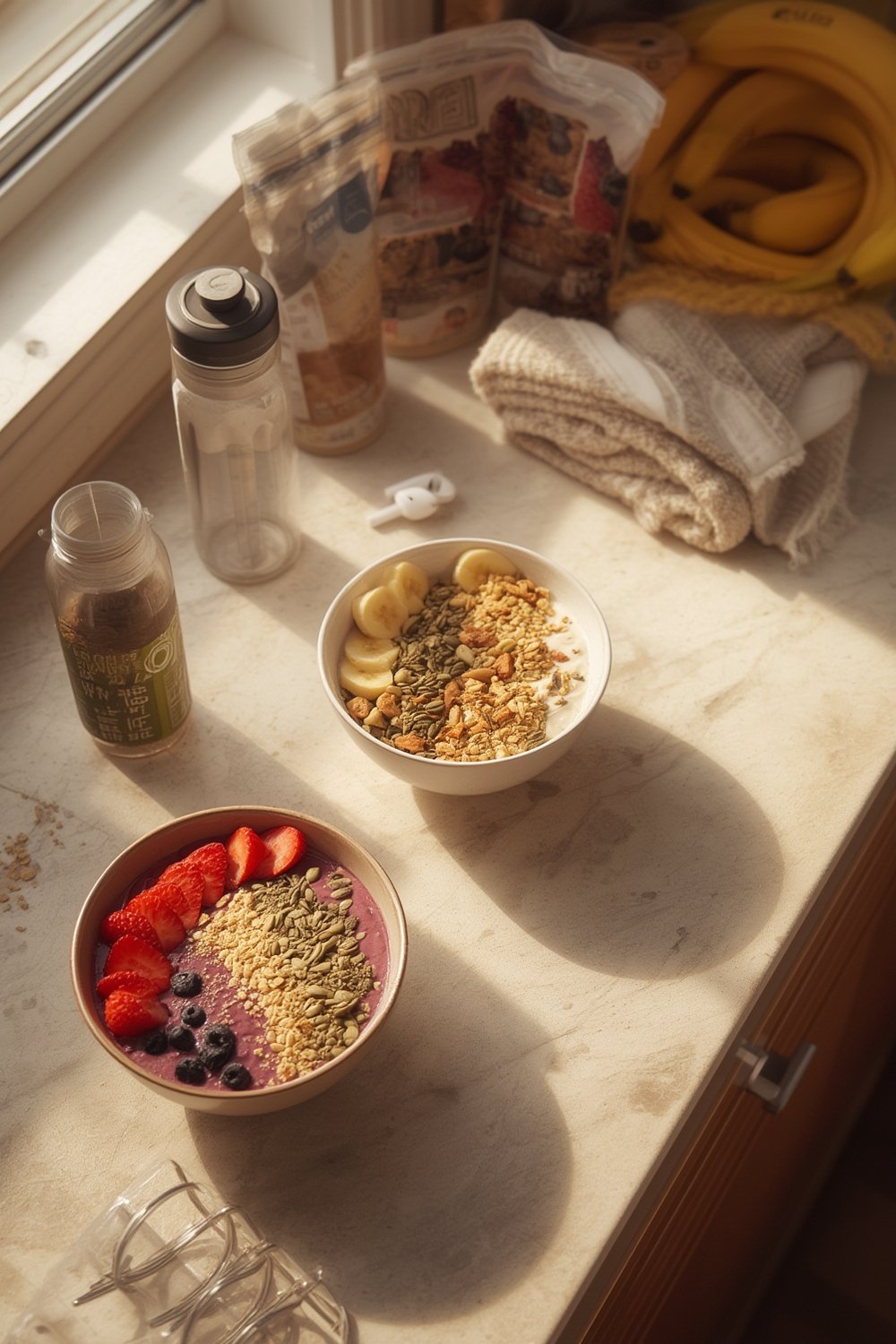
Choosing a high protein smoothie over sugar-heavy options gives steady energy for busy workdays or early gym sessions. These bowls work best when you need to maximize nutrition density and minimize mess or prep—think Monday mornings, post-lifting, or before a weekend hike. Compared with most “healthy” cereals or bakery items, high protein smoothie bowls are more filling and deliver better muscle support without huge calories.
Step-by-step: How to build your 5-minute protein smoothie bowl
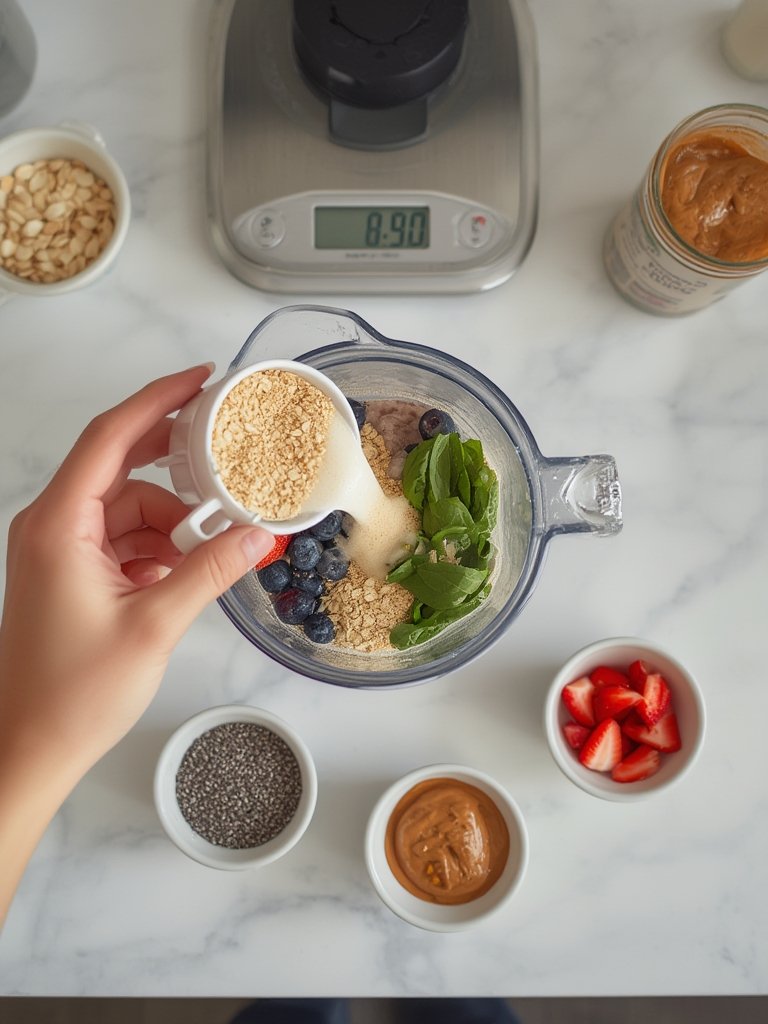
It’s easy to build a protein smoothie bowl that hits realistic macro targets and avoids textural or cost mistakes. Follow these steps for a quick, gym-friendly breakfast—plus see three innovative templates below.
- Pick your base for fiber and texture. Use frozen bananas, berries, or mango (100–150g) plus a handful of oats or spinach for thick texture and lasting energy.
- Choose targeted protein add-ins. Select a protein powder (20–30g scoop; whey/isolate or plant blend), or a combo like Greek yogurt, silken tofu, or soy yogurt for extra smoothness and 8–12g added protein.
- Layer in healthy fats—just enough. Add 1 tablespoon of nut or seed butter (peanut, almond, sunflower, tahini) for 4–7g protein and long-lasting fullness.
- Blend with minimal liquid. Start with 1/4 cup (60ml) milk (dairy or plant-based) and add only as needed to keep it thick. Use a high-power blender like the Ninja Professional Blender 1000W for best results.
- Finish with “smart” toppings. Top with seeds (chia, hemp, flax), a few berries, and, optionally, sliced banana or roasted chickpeas. Limit granola, coconut flakes, or chocolate to avoid calorie spikes.
Sample Macro-Targeted Bowl Ideas (5–10 minutes each)
-
Whey Peanut-Banana (Standard)
Base: 100g frozen banana, 50g oats, 30g vanilla whey protein, 1 tbsp peanut butter, 60ml milk.
Macros: ~21g protein, 48g carbs, 10g fat -
Vegan Pea-Berry (Dairy/Gluten-Free)
Base: 90g frozen berries, 1 scoop pea protein, 30g silken tofu, 1 tbsp almond butter, 60ml oat milk.
Macros: ~19g protein, 38g carbs, 11g fat -
Green Oat-Protein (High-Fiber Recovery)
Base: 80g frozen mango, 40g spinach, 25g oats, 1 scoop protein (whey or plant), 1 tbsp sunflower seed butter.
Macros: ~20g protein, 42g carbs, 9g fat
Add or swap toppings for preference; avoid topping “bloat” (granola, chocolate, excess nut butters) to keep nutrition on point. For smoothie bowl texture, always blend long enough—chunky or watery bowls are more likely with weak blenders (compare models like the Nutribullet Ultra Personal Blender NB50500 or Hamilton Beach Power Elite Wave Action Blender for time-saving blending).
How to Customize for Restrictions
- Vegan: Use plant-based protein powders or silken tofu. Avoid normal yogurt, use soy yogurt for similar creaminess.
- Dairy-Free: Almond or oat milk, plant protein (pea, rice, hemp), and nut butters are easy swaps, keeping protein at 15+ grams.
- Gluten-Free: Skip granola (unless GF certified). Use oats only if labeled gluten-free, load up on chia, hemp, or pumpkin seeds for crunch.
Money-Saving Smoothie Bowl Shopping List
- Frozen fruit (berries, mango, banana) in bulk
- One tub of versatile protein powder (whey or plant-based)
- Unsweetened rolled oats
- One nut or seed butter
- Chia or hemp seeds
- Spinach or kale (fresh or frozen)
- Non-dairy milk (shelf-life and price)
Buy in larger bags vs. single-use packs for best cost control. Avoid splurging on branded granola or excessive superfood “toppings” that spike bills without real protein or fiber gains.
Advanced analysis & common pitfalls (nutrition, cost, texture, toppings)
Even smart breakfast eaters often hit the same snags with a protein smoothie bowl: wrong texture, runaway calories from toppings, or surprise costs that rival commercial bowls.
Typical Nutrition Comparison: Homemade vs. Commercial
| Bowl Type | Calories | Protein | Carbs | Fat | Fiber |
|---|---|---|---|---|---|
| Homemade “light” (250g) | 284 | 4.7g | 47g | 9.5g | 7.6g |
| Homemade (with protein add-ins) | 350-500 | 15-20g | 40-70g | 8-15g | 8-14g |
| Bondi Bowls “Manly Beach” (medium, commercial) | 657 | 18g | 114g | 33g | 21g |
Source: Bondi Bowls nutrition, SnapCalorie
Common Frustrations—and Practical Fixes
- Watery/Icy or Gritty Texture: Most common with weak blenders or too much liquid. Solution: use less liquid, more frozen fruit, and a high-speed blender. Pre-chop larger frozen ingredients.
- Cost Creep from Toppings: Granola, nut butters, coconut flakes, chocolate chips, or “superfood” dusts add up. Fix: stick to 2–3 tablespoon total toppings, focusing on seeds and a splash of nut butter.
- No Time for AM Prep: Trying to build everything in the morning causes chaos. Fix: Pre-portion freezer bowls (base plus fruit) or portion dry mix-ins in advance.
- Macro Drift (too low or too high protein, too high sugar): Relying just on fruit and granola never delivers enough protein. Always add measured protein powder—choose brands that blend smooth (whey isolate—choose brands that blend smooth (Ninja BN701 Professional Plus Blender can help here), and be realistic about taste if using plant powders (for example, gritty pea/rice powders need extra blending or flavor masking with cocoa, cinnamon, or vanilla).
DIY Cost vs. Store-Bought
- 2024 data on exact price per serving is lacking.
- DIY bowls often cost $2–$5 per (using bulk frozen fruit and protein powder), while major chains price bowls from $7–$14 depending on size/toppings (market is $6.8B US, IMARC Group data). High-end commercial bowls may offer little protein per dollar unless you pay for add-ins.
- Buying single-serve bottled bowls or “mix-in” specialty pouches rapidly increases cost for little extra protein or quality.
Least-Documented Add-Ins: What Actually Works?
- Best: Whey isolate, pea protein blends, and silken tofu offer smoothest texture and high absorption. Nut butters and yogurt (dairy or soy) blend well and provide “real food” satiety.
- Care: Plant-based rice or hemp powders can taste gritty or “muddy” when under-blended—mask with cocoa, blend extra-long, or combine with fruit.
- Seeds: “Invisible” nutrition for texture and fiber. Chia or hemp seeds work for crunch and gut health.
- Under-used: Blending in frozen cauliflower, zucchini, or leafy greens for volume and mouthfeel.
Conclusion: Gym results start at breakfast
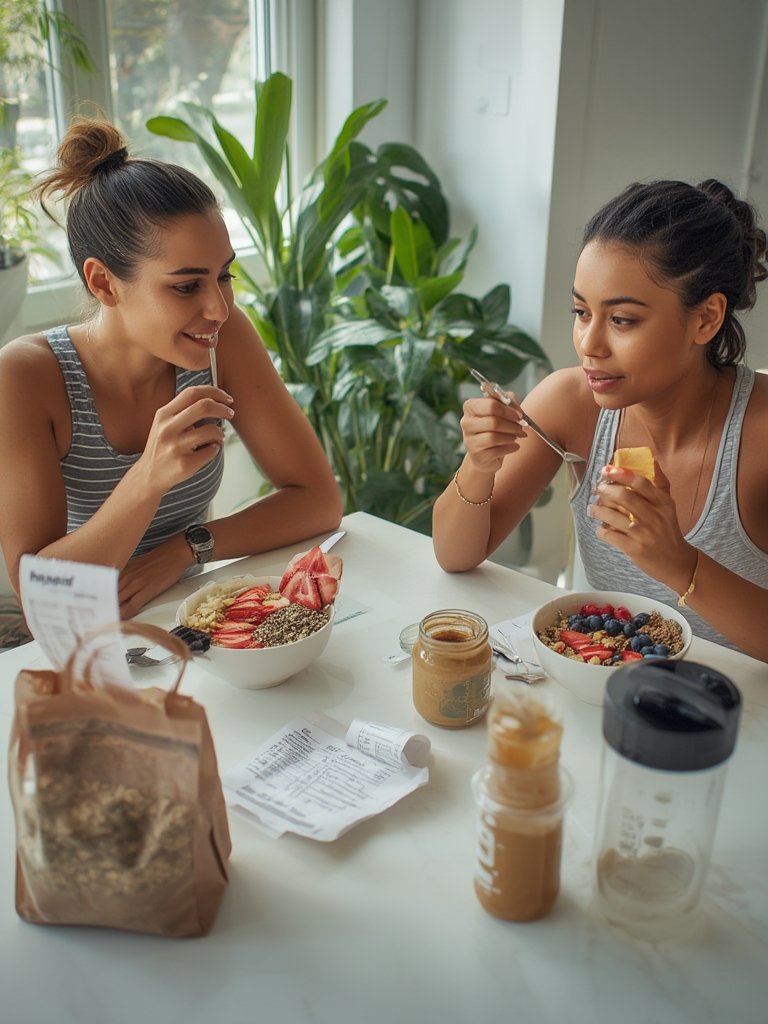
A custom, macro-targeted protein smoothie bowl delivers a fast, cost-effective, genuinely muscle-supporting breakfast—whether you’re running to work or hitting early training. Avoiding soggy toppings, sticking to a protein base, and prepping smartly with the right blender (see the Hamilton Beach Power Elite or Nutribullet Ultra) makes this the best 5–10 minute gym breakfast. Customize for dietary needs, skip costly extras, and enjoy real performance gains. Start building your ideal bowl tomorrow—your post-workout self will thank you.
FAQ: Protein smoothie bowls
How can I boost protein without making the smoothie bowl gritty?
Use a high-quality, “blends-smooth” protein powder (whey isolate or smooth pea blend). Add it after blending fruit for 10 seconds, then pulse until fully incorporated. Add tofu or nondairy yogurt to offset any chalkiness.
Are protein smoothie bowls good for weight loss?
Yes—if macros are controlled. Target 15–25g protein and limit toppings to under 100–150 calories. High fiber helps fullness, while protein aids muscle retention; just watch for hidden sugars and avoid overblending fruit juices.
What is the lowest-cost way to make a protein smoothie bowl?
Bulk frozen fruit, a generically-branded protein powder, plain rolled oats, and one tub of nut butter from the supermarket. Skip expensive superfood packets or “artisan” granola, which add cost but little nutrition.
Which blenders make the creamiest smoothie bowl texture?
Models with at least 1000 watts (like the Ninja Professional Blender 1000W or Nutribullet Ultra) handle ice and thick fruit easily. Blend frozen base first, add protein after, and blend again for smoothest results.
Can I meal-prep smoothie bowls for several days?
Texture suffers with storage—smoothie bowls are best fresh. Prep frozen fruit packs ahead and portion dry toppings. Only blend and assemble the morning of for best thickness and crunch.