
Iced matcha latte is everywhere in 2024 — not just on menus, but dominating TikTok, your Instagram timeline, and café sales reports. Here’s why it’s the year’s must-have drink, what’s driving its wild popularity, how to actually make one that rivals the priciest café, and what to avoid if you want flawless results every time.
Key Takeaways
- Iced matcha lattes exploded in 2024, with North American cafés reporting up to 227% sales growth and major chains like Starbucks and Pret fueling demand.
- Most home attempts fail due to bitterness, gritty texture, or wrong ratios—but these are fixable with the right matcha grade, sifting, and milk choice.
- Making an iced matcha latte at home can cost up to 70% less per cup versus trendy coffee shops, with full control over taste, nutrition, and aesthetics.
- Why iced matcha lattes are the 2024 café obsession
- Step-by-step: A reliable iced matcha latte recipe you can make in 5 minutes
- Advanced analysis & common pitfalls for your matcha latte recipe iced
- Conclusion
- FAQs
Why iced matcha lattes are the 2024 café obsession
Global sales of iced matcha latte soared to $3.6 billion in 2024, and the category is set for an annual growth rate over 11.7% through the next decade. The hype isn’t random. Gen Z wants something more photogenic, energizing, and wellness-focused than their parents’ flat whites. Coffee giants and boutique cafés alike are moving fast to add iced matcha menus—Blank Street and Pret a Manger even dubbed 2024 the “year of the matcha.” Iced matcha drinks now frequently outsell regular espresso varieties at shops like Black Sheep Coffee, which saw a 227% annual leap for their iced matcha line alone. The drink’s naturally green color is designed for Instagram, but demand is rooted in a desire for less jittery caffeine, antioxidants, and customization: oat, almond, or coconut milk is as normal as dairy now. See market data.
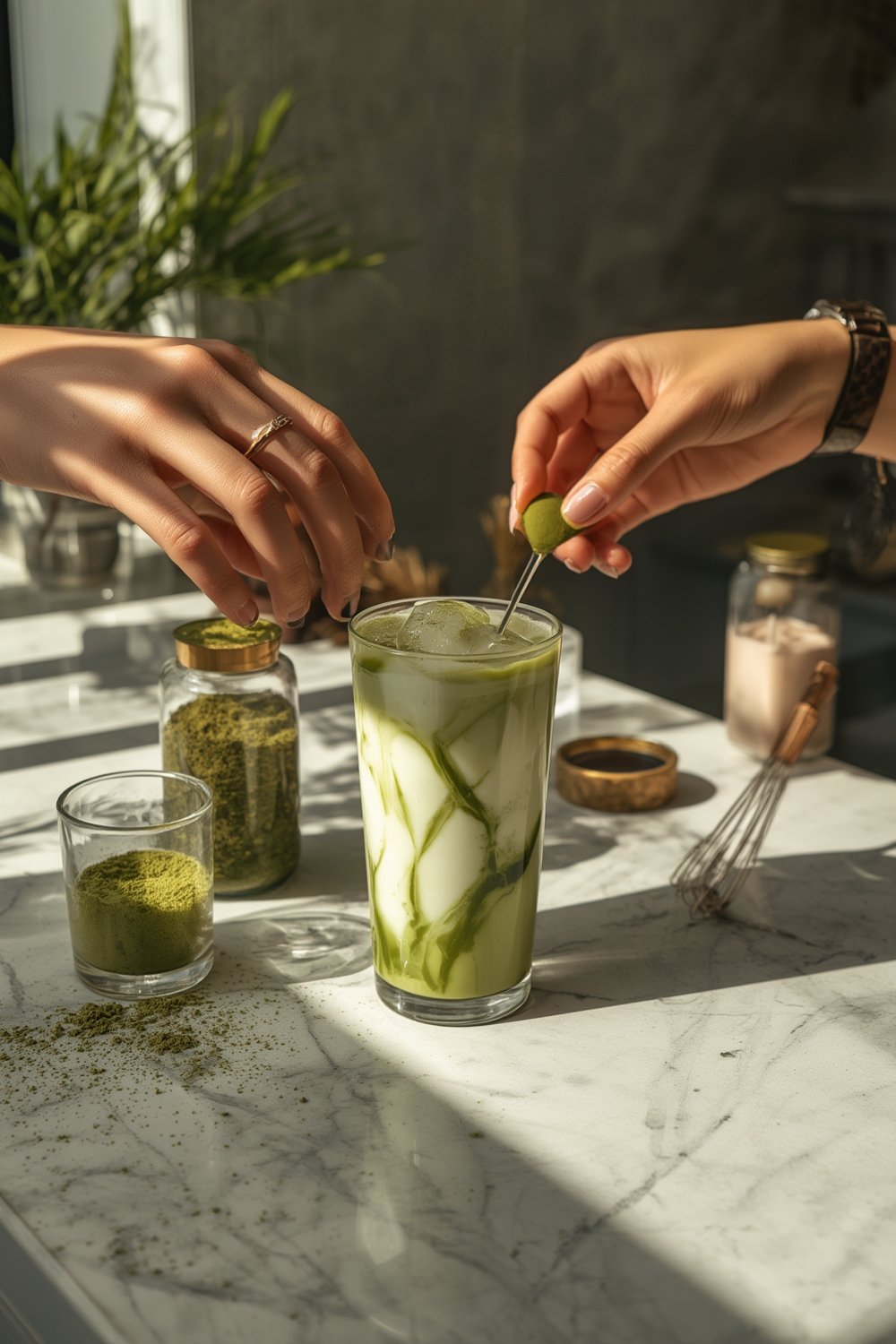
Step-by-step: A reliable iced matcha latte recipe you can make in 5 minutes
If you want a matcha latte recipe iced that actually tastes better than what you get at the café, you need the right process and quality ingredients. Here’s how to do it, every time.
- Weigh it out: Use 2g (about 1 tsp) of high-quality Ceremonial Grade matcha powder per 12-14oz drink. Ceremonial or premium grade yields the best color and least bitterness.
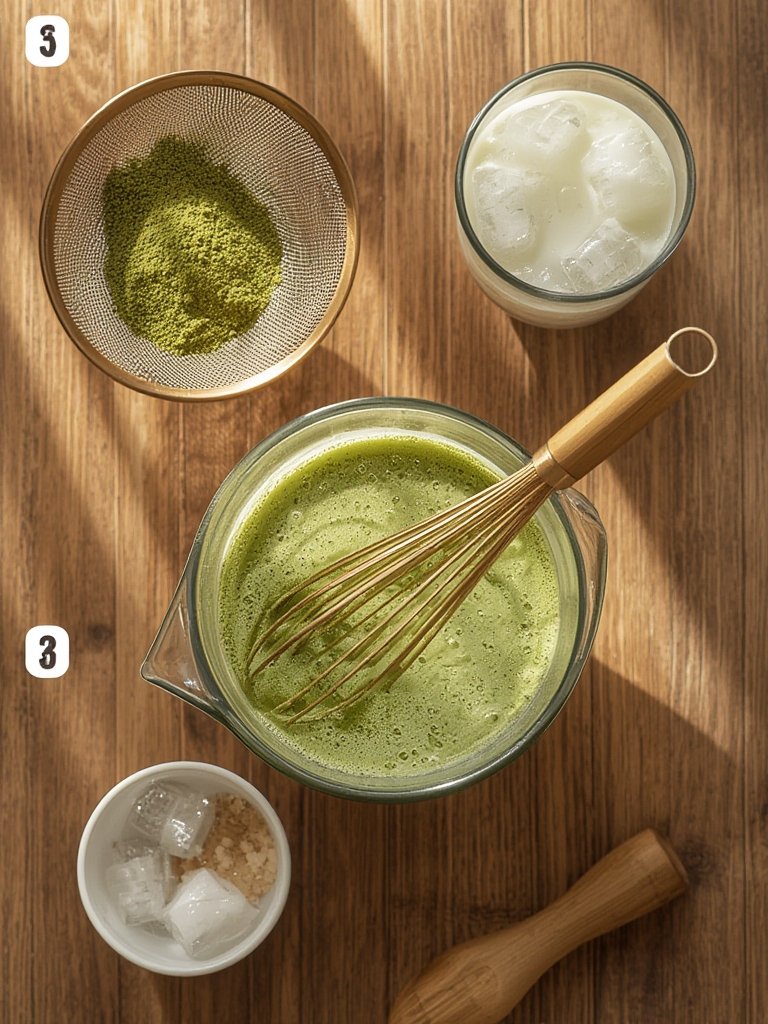
- Sift the matcha: Over a small bowl or shaker, sift your matcha to prevent lumps.
- Cold “bloom” phase: Add 2oz (60ml) filtered cold water. Use a mini whisk, milk frother, or shake hard in a small jar/mason jar for 30 seconds until there’s no residue left on the sides.
- Sweeten (optional): Add 5–15g (1–3 tsp) of liquid sweetener (honey, simple syrup, agave, or maple syrup). This helps dissolve with the liquid—sugar doesn’t mix well with cold matcha.
- Ice: Fill a glass 3/4 with fresh ice cubes. Never use melting or “wet” ice for best results.
- Pour & top: Pour the matcha mixture over the ice. Top with 200ml (about 7oz) of your chosen milk: oat, almond, whole, or skim all work.
- Garnish/finish: Swirl for a gradient “cloud” look or stir well for even color. Snap your photo while the layers are pretty. Drink immediately before the ice dilutes the matcha.
Want next-level texture without hand whisking? Use a personal blender, like the Ninja BN701 Professional Plus Blender, for silky, lump-free matcha every time.
Ingredient & tool checklist:
- 2g high-grade matcha (see recommended brands below)
- 60ml cold filtered water
- 200ml milk (dairy or plant-based)
- 5–15g liquid sweetener (optional)
- Ice cubes (enough to fill glass 3/4 full)
- Sifter + bamboo whisk or milk frother, or a sealable jar
For extra convenience, you can batch whisk a larger amount of matcha with water and store in the fridge, then build each latte individually as needed.
Love crushed ice drinks? Try the Ninja Professional Blender 1000W for flawless ice texture.
Advanced analysis & common pitfalls for your matcha latte recipe iced
Even with a good matcha latte recipe iced, mistakes abound. Here’s what goes wrong, why, and how to fix it fast.
Common Taste and Texture Complaints (from real users):
- Bitterness or grassiness: Usually linked to lower-quality (“culinary” or supermarket-grade) matcha or using boiling water. Solution: Upgrade your matcha grade and use only cold water.
- Chalky or grainy texture: Caused by skipping the sifting/blending step. Fix: Invest in a sifter and always blend or shake vigorously. Even a basic Hamilton Beach Power Elite Wave Action Blender can prevent this.
- Too sweet/too bland: Cafés often “overdose” on syrup. Start with less sweetener at home; adjust to your preference.
- Melted-ice dilution: Serving over “wet” ice or letting it sit kills the flavor. Build drink just before serving; try ice with minimum surface melt.
- Stomach sensitivity: Strong matcha on an empty stomach can upset some drinkers. Choose non-acidic, barista-grade oat or almond milk for a smooth experience.
Nutrition & Caffeine Comparison Table
| Beverage | Calories (Approx; w/ Oat Milk, 12oz) | Sugar (Added, tsp) | Caffeine (mg) | Key Benefit |
|---|---|---|---|---|
| Iced Matcha Latte | 70-110 | 1.5–3 | 50–70 | Antioxidants, calm focus |
| Matcha Coffee (“espresso” or coffee + matcha shot) | 90-120 | 1–2 | 110–140 | Lifts energy, stronger buzz |
| Standard Iced Coffee | 10-80 | 2–4 (if sweetened) | 80–120 | Classic boldness |
Note: Cafés may add more sugar or cream. Caffeine depends on matcha quality and amount (1 tsp matcha ≈ 60mg; 1 espresso shot ≈ 64mg).
Cost Breakdown: Home vs Café (2024)
| Item | At-Home (per 12oz) | Café (per 12oz) |
|---|---|---|
| High-grade matcha (2g, avg $35/100g) | $0.70 | – |
| Oat or almond milk (200ml, $5/64oz) | $0.32 | – |
| Sweetener & ice (amortized) | $0.10 | – |
| Total Estimated Cost | $1.12 | $5.50–$7.50 |
Even if you splurge for ceremonial matcha, your at-home iced matcha latte is usually under $1.50 per cup—less than a third the cost of major cafés in urban centers. Use the rest of your savings for premium blenders or a BLACK+DECKER 12-Cup Coffee Maker if you want efficiency for all your drinks.
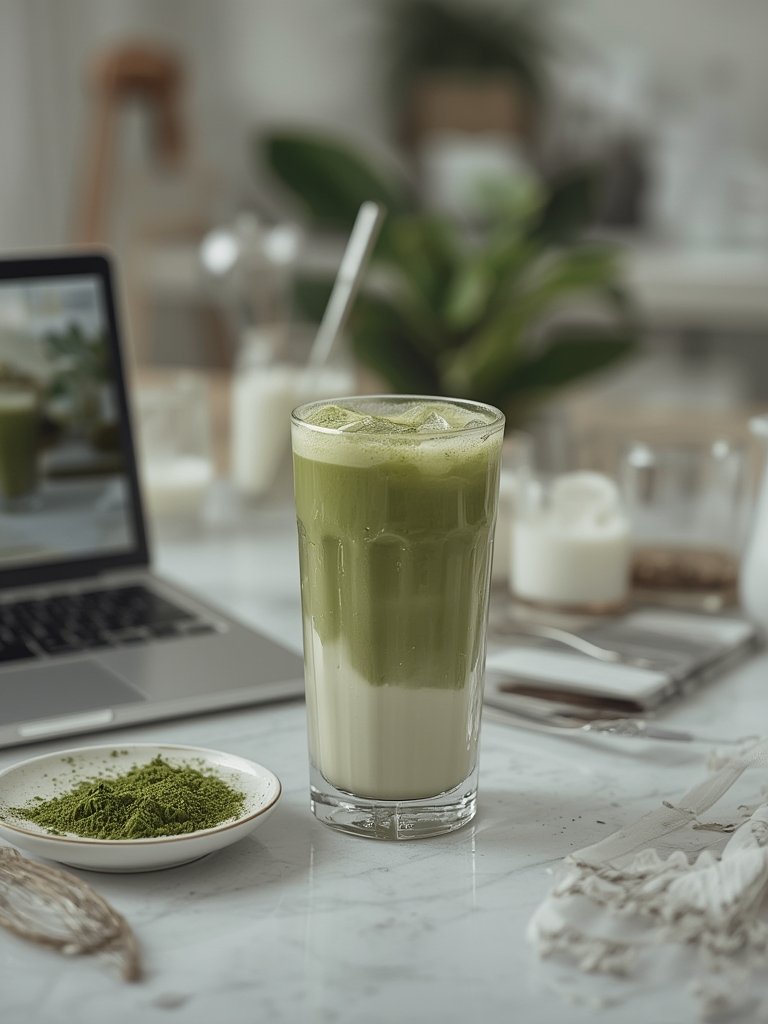
Best Matcha Grades & Brands for Iced Matcha Lattes
- Ceremonial Grade: Smoothest, least bitter, most vibrant. Brands: MatchaBar Ceremonial, Ippodo, Kettl.
- Premium/Café Latte Grade: Good balance for milk drinks. Brands: Matcha.com Latte Grade, AprikaLife, Encha Latte.
- Culinary Grade: For high-volume use, desserts, or blending. Brands: Jade Leaf, Kenko culinary, Golde.
Experts universally recommend spending a bit more on matcha for iced drinks—cheap grades go bitter when cold or mixed with milk. For best value and taste, search for “barista” or “latte” on the label. If you’re investing in a personal setup, a compact Nutribullet Ultra Personal Blender also doubles as a matcha prep engine.
For in-depth professional guidance on choosing matcha, read this industry breakdown from Intelligence.coffee.
What competitors miss — and why it matters
- Cost-per-cup breakdowns, updated for 2024 pricing.
- Side-by-side caffeine and nutrition charts using real café drinks, not just blog estimates.
- Evidence-backed troubleshooting from forums like Reddit and real-user reviews.
Most guides skip true pricing, nutrition, or actionable fixes. These details drive searchers to convert—whether to “make at home” or switch cafés for a better iced matcha latte.
Conclusion
Iced matcha lattes are far more than a fleeting trend in 2024—they’re a wellness-forward, photogenic powerhouse reshaping café culture and home beverage routines alike. With the right matcha grade, a rapid, tested recipe, and a little care for your presentation, anyone can master this drink at home for less than the price of your daily croissant. Try one today, and unlock the full potential of your iced matcha latte—customized, economical, and entirely yours.
Ready to ditch the café line? Make your own iced matcha latte at home—share your favorite tweaks or ask for advice in the comments below.
FAQs
Is iced matcha latte healthier than iced coffee?
Iced matcha lattes offer more antioxidants and less caffeine than a standard iced coffee, especially if you use less sugar and plant-based milk. The best choice depends on your taste and wellness goals.
What’s the best milk for an iced matcha latte?
Barista-style oat milk and almond milk are favorites for smooth, creamy texture that complements matcha’s flavor. Conventional whole or low-fat milk also work well, but avoid heavily flavored plant milks that can overpower the matcha.
Why does my homemade iced matcha latte taste bitter?
Bitter flavors are usually caused by lower-grade matcha, using water that’s too hot, or wrong milk ratio. Try using ceremonial or premium grade, sift before mixing, and stick to cold water only.
Can I make an iced matcha latte without a bamboo whisk?
Yes. Use a small handheld milk frother, a personal blender, or shake hard in a sealed mason jar. Just be sure to sift the powder first so you don’t get lumps.
Is making an iced matcha latte at home really cheaper?
Absolutely. With good quality matcha and plant milk sourced in bulk, the per-cup price is usually under $1.50—way less than $5–$7 at premium cafés.