
What to look for when buying a blender can be confusing, but if you approach it step by step using 2026 lab-tested data and real-world considerations, making the right choice is simpler than most guides suggest.
Key Takeaways
- Look beyond wattage and price—match blender type to your real daily needs, factor in noise, reliability, and cleaning convenience.
- 2026 research shows smoothies need a performance score of 8.3+, and long-term reliability varies widely between models—even at the same price tier.
- Build a checklist before you buy to avoid common mistakes like buying the cheapest model or overspending on features you don’t use.
- What to look for when buying a blender — start here
- A step-by-step decision process you can follow
- Performance thresholds, pitfalls, and advanced insights
- Conclusion: Make the right blender choice
- FAQ: Blender Buying Guide 2026
What to look for when buying a blender — start here
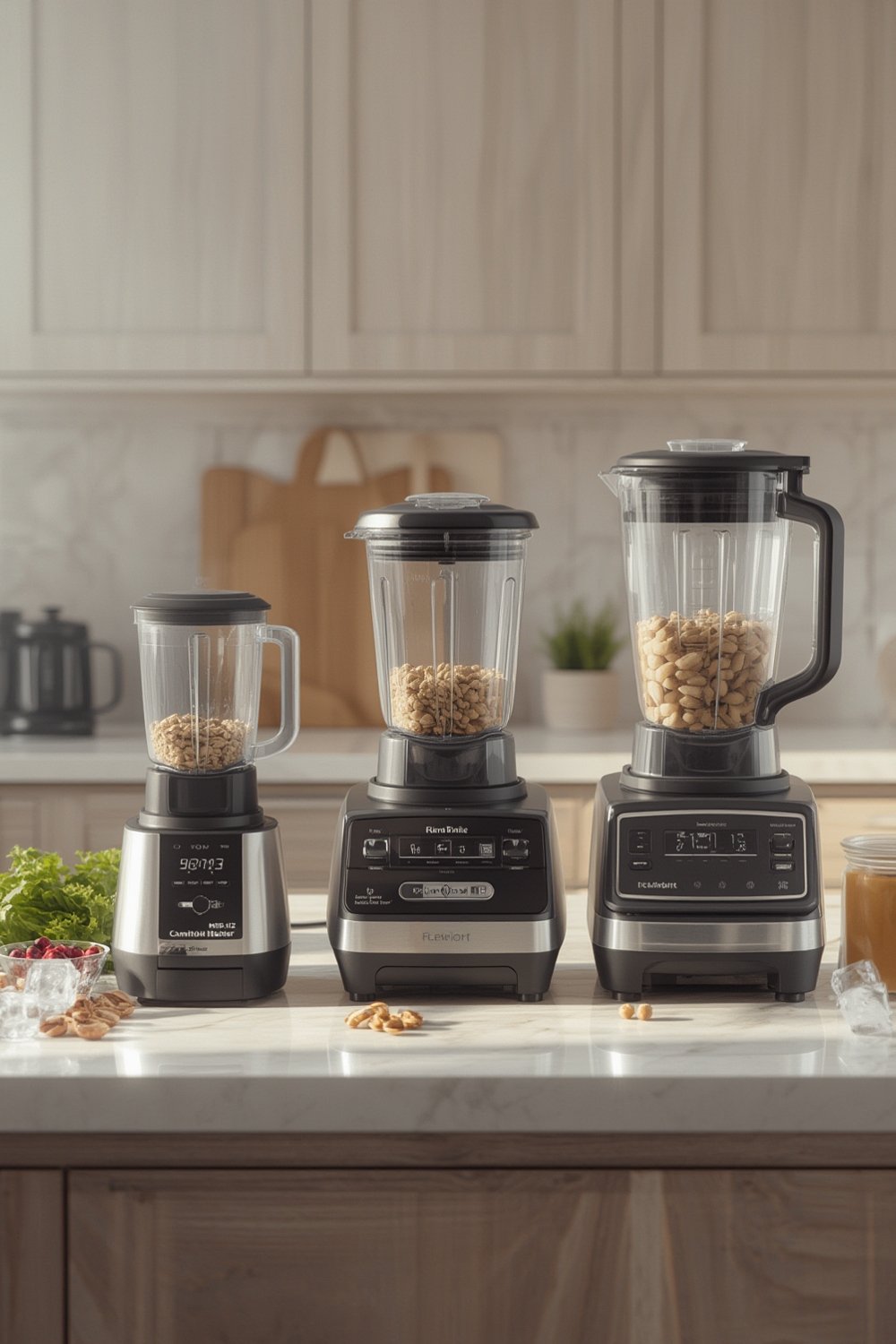
If you want a blender that doesn’t end up collecting dust, start by matching your main tasks (single-serve smoothies, batch soup prep, or nut butters) to the right blender type—not every powerful blender is “better” for your kitchen. For example, if you only make quick smoothies on a tight schedule, a big, heavy premium model might be overkill.
2026 consumer testing data shows why a true buying guide blends lab-tested performance (like smoothie or ice-crushing scores) with long-term ownership factors: noise, jar material (will it stain or crack?), and reliability (will it last more than four years?). A step-by-step decision process, grounded in research, assures you won’t regret your purchase:
- Define main tasks
- Determine batch size
- Evaluate kitchen space and noise tolerance
- Set your total budget
- Compare performance scores for your priority recipe
- Check warranty and predicted reliability
Follow these steps, and you’ll dodge the most common mistakes.
A step-by-step decision process you can follow
Here’s exactly how to break down your blender comparison, based on what works for real users, not just what looks good in ads.
1. Define what you actually blend, and how often
Is it daily green smoothies, the occasional frozen margarita, or do you love making nut butter? Your answer will filter 80% of the options right away. For mostly single-serve smoothies, look at compact personal blenders. If you want versatility for soups or nut butters (which require more power and a tamper), focus on premium countertop options.
2. Pick the right size and price tier for your lifestyle
| Type | Price Range (2026) | Ideal User | Power (Watts) | Key Specs |
|---|---|---|---|---|
| Personal | $50–$200 | Occasional or single-user | 600–1,500 W | Dishwasher-safe, 1-year warranty, strong ice crush |
| Mid-Range | $200–$500 | Families, batch users | 1,000+ W | 34–48 oz, auto programs, multi-speed |
| Premium | $500–$1,000+ | Daily heavy users, nut butters | 1,500+ W | 48–64 oz, tamper, ultra-quiet, top-notch reliability |
3. Check performance scores for your top priority
2026 data shows scores make a difference: aim for 8.3+ for single-serve smoothies, 8.7+ for ice crushing, and 8.5+ for soups. For example, the Vitamix Ascent X4 crushes it in real-world tests with 9.1 for smoothies, 8.7 for ice, and 8.6 for soups (source).
Curious about reliable mid-range options? Read how the Ninja Professional Blender 1000W compares across smoothie and ice scores.
4. Confirm your kitchen fit and noise tolerance
If you’re in a shared apartment, noise can be a dealbreaker. Vitamix Ascent X4 scores 7.5 (noticeably quieter), while many others exceed 8.0 (loud). Consider jar size and weight if storage is limited. Check out affordable high-performing blenders like the Nutribullet Ultra NB50500 if noise and space are top needs.
5. Don’t skip the reliability, warranty, and ease-of-cleaning check
Even a budget-friendly model, like the Hamilton Beach Power Elite, can disappoint with poor reliability (some show problems in under four years, per Consumer Reports). Check for at least one-year warranty—and for premium units, research extended coverage.
6. Review what real owners say—look for patterns you want to avoid
Skim the worst-case reviews for each model (chunky nut butter, stained jars, build complaints). Models like the NutriBullet Original NBR-0801 do great with smoothies, but owner satisfaction and reliability are only mediocre (source).
7. Quickly shortlist three models and compare side by side
Lay out your list: is the premium price justified for your usage, or does a robust mid-range option like the Ninja BN701 or Ninja 1000W fit your real pattern better?
Performance thresholds, pitfalls, and advanced insights
Not all performance data is in the spec sheet. Here’s what 2026 lab tests and thousands of real reviews reveal about hidden pitfalls and what separates a “long-haul” blender from a short-lived impulse buy.
Performance: What lab scores mean for busy owners
- Smoothie quality: A score of 8.3+ gives you creamy smoothies without grit or chunks. Cheaper blenders often leave fiber visible in greens (source).
- Ice crushing: If you make frozen drinks, 8.7+ is the magic number for no large ice shards in your glass.
- Soups: A score of 8.5+ ensures hot soups come out silky, not stringy—premium models like Vitamix Ascent X4 score 8.6 and above.
- Nut butter: The toughest test. Premium units (with a ensure a tamper is included) are almost always required; budget models stall or need hand scraping every minute.
What specs really matter (and the myth of “more watts”)
1,000+ watts is recommended for smoothies and soups, but going above 1,500W is only a must if you blend nut butters or do frequent batch prep. The addition of a tamper makes thick blends possible—don’t expect even a 1,400W blender to handle nut butter smoothly without one.
Majorly overlooked factors
- Noise: A “7.5” noise score is much quieter than the competition; anything above 8.0 may annoy apartment neighbors or family early morning. For quieter blending, check for models like Vitamix or well-sealed mid-range units.
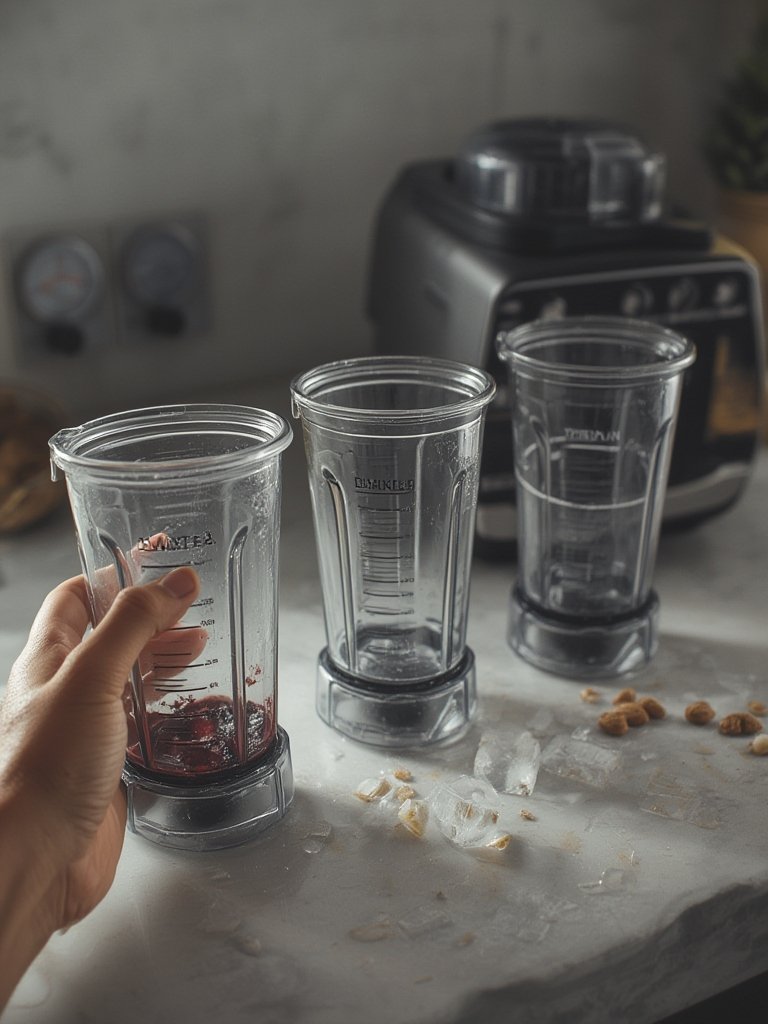
- Jar Material & Staining: Glass jars resist staining best, Tritan plastic comes close, regular plastic stains over time (think tomato soup or turmeric shakes). Stained jars are a leading complaint in user forums and long-term reviews (source).
- Reliability: Not all blenders last—some personal and budget models get 4 years or less before trouble (Consumer Reports). Ninja full-sized blenders stand out for better reliability, while NutriBullet’s entry model sacrifices longevity for price.
Common mistakes (and how to sidestep them)
- Buying for price, not use: Chefman budget models frustrate users who expect anything beyond basic smoothie blending.
- Ignoring reliability rumors: Some budget blenders work great—until year three, when parts or motors go (source).
- Noise disasters: Missing the decibel score leads to buyer’s remorse for noise-sensitive households.
- Wrong jar for your meal plan: Too small and you outgrow it; too big and you never use it. Plus, persistent staining is frustrating if overlooked.
- Overspending on features you won’t use: Vitamix Ascent X4 is superb for power users, but most buyers won’t use the incremental power unless making nut butters or daily large batches.
Maintenance, long-term cost, and example checklist
Jars that are dishwasher-safe drive more frequent use. Replaceable blades and longer warranties cut down long-term costs. Before you hit “buy,” run through this checklist:
- Score above 8.3 for main task
- Wattage: 1,000+ for smoothies, 1,500+ for nut butters
- Right jar capacity (personal 18–34 oz, family 48+ oz)
- Noise score under 7.5 (or check reviews for owner feedback)
- Jar material: Pick glass or Tritan to avoid stains
- Dishwasher-safe parts
- Warranty of 1 year minimum
- Owner satisfaction reflects real-world reliability
Three example matches for 2026:
- NutriBullet Original NBR-0801: For occasional smoothie users who accept trade-off on reliability
- Ninja BL770 or BN801: All-round mid-range choice with great performance and noise control (see this detailed BN701 review)
- Vitamix Ascent X4: Premium, ultra-durable, fewest complaints, best for daily blending or nut butter fans
Conclusion: Make the right blender choice
When it comes to what to look for when buying a blender, specs and price only tell half the story. Real-world use means checking the right performance thresholds, making realistic trade-offs on reliability and noise, and ensuring cleaning is easy enough you’ll actually use your new appliance. Always build your own checklist before purchasing—and read a few owner reviews for long-term patterns others might miss. Ready to find your fit? Start with your checklist and compare top models here.
Have more questions? Check the FAQs below, or let us know in the comments which blenders you’re considering before you buy.
FAQ: Blender Buying Guide 2026
What is the best wattage for a home blender?
For daily smoothies, soups, and frozen drinks, 1,000+ watts delivers consistent performance. For thick nut butters or heavy use, aim for 1,500+ watts and ensure a tamper is included.
How noisy are most blenders?
Noise scores in 2026 ranged from 6.6 to 8.1. Blenders with scores below 7.5 are noticeably quieter and better for apartments or early morning use.
Glass vs plastic blender jar: which is better?
Glass jars resist staining best but weigh more and are less common. Tritan plastic is highly stain-resistant, lighter, and durable. Standard plastic jars stain quickly with tomatoes or turmeric.
How long should a good blender last?
Premium blenders often last 7+ years, while budget models may show issues within 3–4 years. Reliability and warranty coverage vary widely—check user reviews before you buy.
Do I really need preset programs?
If you want a one-button smoothie or soup without manual tweaking, presets are helpful. Beginners especially benefit from simple auto programs.