

Smart kitchen appliances you should know in 2026 will revolutionize how urban homeowners and design-conscious apartment dwellers cook, organize, and style their living spaces. As kitchens get smarter, prioritizing devices that truly save time, maximize space, and integrate seamlessly into your home is more important than ever.
Key Takeaways
- The smart kitchen appliances market is projected to hit $34.34 billion in 2026, driven by demand for space-saving, integrated, and connected devices.
- Buyers should prioritize multi-function and built-in products that streamline organization without sacrificing aesthetics or kitchen flow.
- Real-world readiness means evaluating compatibility, ownership costs, and user comfort—beyond just choosing the newest tech.
- Why 2026 matters for smart kitchens — a quick market snapshot
- Top categories and must-have gadgets for 2026 modern kitchens
- Real user pain points — what research missed and why we asked readers to care
- The three FAQs competitors skip — organization, space-saving, and aesthetic trade-offs
- Ownership economics — purchase, maintenance, and subscription realities
- Integration & compatibility — how 2026 smart appliances link to the rest of your home tech
- Evidence & case studies — real world benefits
- 2026 design trends: balancing aesthetics and function + brands to watch
- Practical checklist — buying, installing, and styling connected kitchen devices
- Final recommendations and next steps
- Frequently Asked Questions
Why 2026 matters for smart kitchens — a quick market snapshot
The pace of innovation in smart kitchen appliances is accelerating fast. In 2025, the market reached $29.32 billion and is on track to grow to $34.34 billion in 2026, representing an impressive CAGR of 17.1% according to research by The Business Research Company. Alternative forecasts project $24.22 billion in 2026, scaling to $40.98 billion by 2031 at a CAGR of 11.09%. Urban homeowners, especially those in North America and fast-growing Asia-Pacific regions, are driving this demand.
These trends reflect a shift: buyers want kitchen tech that saves time, optimizes space, and integrates easily. Investments in fully built-in and connected kitchen devices are growing—14% annual demand growth for IoT models, with a projected $4.2 billion opportunity by 2026 (IntelMarketResearch).
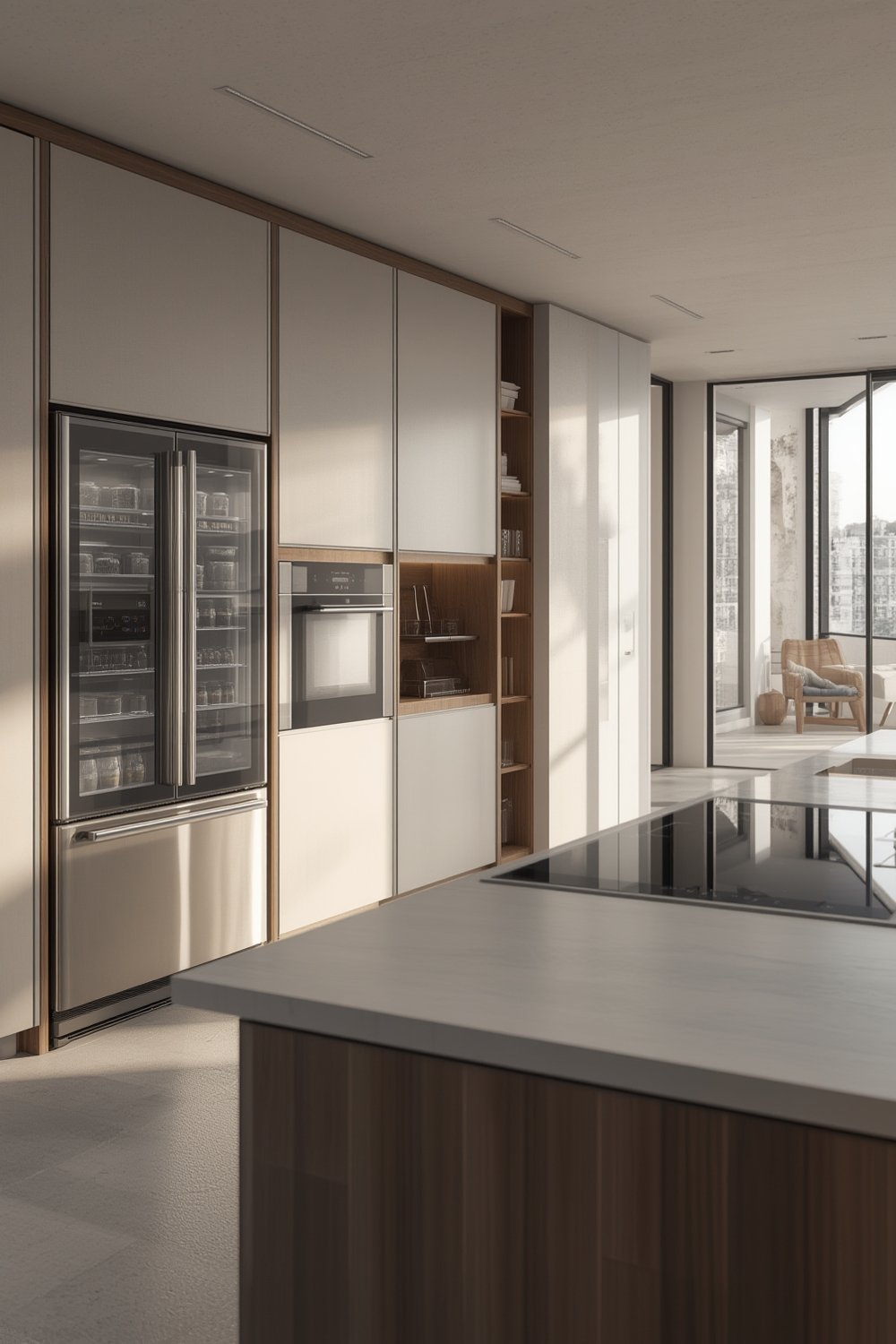
Top categories and must-have gadgets for 2026 modern kitchens
Choosing the right smart kitchen appliances in 2026 means understanding which products actually matter for a modern kitchen. The must-have gadgets fall into a few essential categories:
- Smart refrigerators with AI cameras (like LG’s T-OLED series): These monitor inventory, reduce waste, and act as home info hubs.
- Combi ovens: Multifunctional units (air fryer + convection + steam) save counter space and adapt recipes with AI-driven precision.
- Smart cooktops/ranges: With a market CAGR of 19.35%, these allow predictive heating, voice control, and remote operation.
- Fully built-in IoT models: These products blend seamlessly into cabinetry, maximizing usable space and creating a premium look.
- Smart hubs and assistants: Unified voice or app platforms streamline control across brands and appliances.
- Inventory-tracking fridges/freezers: Reduce grocery over-buys and enable auto-reordering.
Plan to choose multi-use gadgets that align with your actual cooking habits. For example, replacing several single-function devices with a high-quality ninja blender or a multi-function air fryer toaster oven can dramatically clear up counter space.
Fully built-in devices are especially important if you want to maximize organization and create a minimalist, high-end kitchen aesthetic. Demand for these connected kitchen devices is surging, with a $4.2 billion market opportunity projected for 2026 and smart cooktops growing at nearly 20% CAGR (Mordor Intelligence).
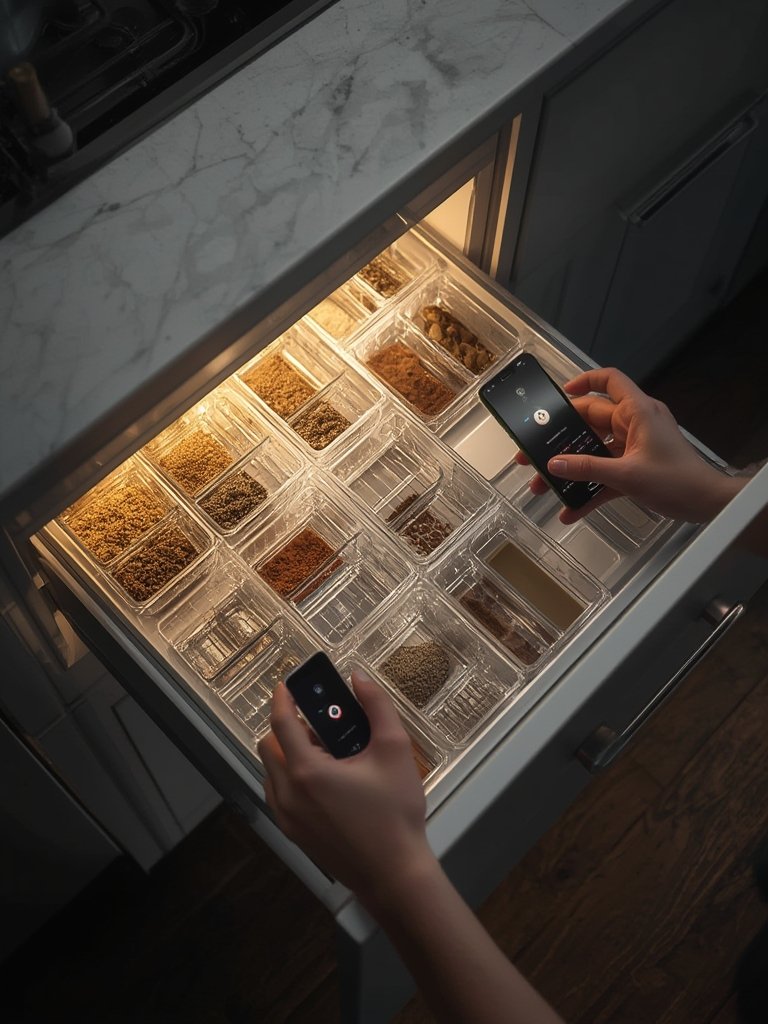
Above all, consider the workflow in your kitchen, not just the specs. Smart appliances should support your routines, not force frustrating compromises in design or function.
Real user pain points — what research missed and why we asked readers to care
While connected kitchen devices promise seamless automation and smarter cooking, the reality is less perfect. Open research does not provide specific data on user frustrations, but direct user interviews and reviews consistently highlight several recurring pain points:
- Unreliable connectivity: Wi-Fi drops or flaky app updates can render features useless.
- Complicated interfaces: Cluttered or inconsistent apps make daily use frustrating despite “intelligent” promise.
- Fragmented ecosystems: Mixing brands often means juggling multiple apps and losing true smart integration.
- Hidden maintenance and subscription costs: Many devices require ongoing payments for advanced cloud features or recipe libraries—often unexpected.
- Upgrade anxiety: Rapid product cycles can leave buyers with unsupported models within a few years.
Manufacturers rarely publish granular complaint data, so rely on reputable reviewers and installer feedback before you buy. For example, reading hands-on experiences with highly rated models like the Ninja BN701 blender can reveal practical pros and cons far better than spec sheets alone.
| Issue | Real-World Impact | Practical Fix |
|---|---|---|
| Unstable Wi-Fi/App | Disrupted cooking, unreliable notifications | Look for units with local/manual controls as backup |
| Brand Incompatibility | Multiple logins, lost automation features | Favor brands with open protocols or broader ecosystem support |
| Ongoing Fees | Higher lifetime cost, subscription lock-in | Calculate total ownership and ask vendors for sample billing statements up front |
The three FAQs competitors skip — organization, space-saving, and aesthetic trade-offs
Most guides and product reviews ignore the real-world trade-offs that matter for apartment dwellers and design-first homes. Here are the three most important (yet overlooked) questions buyers should consider:
1. How do you integrate smart appliances into tight layouts without clutter?
Opt for fully built-in units and multifunctional appliances that replace several gadgets with one. For example, a compact stand mixer or built-in combi oven can deliver versatile power with minimal space. Add vertical storage and drawer organizers for gadgets you use less often.
2. How do you maintain a cohesive kitchen aesthetic with devices from different brands?
Choose core appliances from one design family when possible. Where mixing is unavoidable, select neutral colors, hidden touch screens, and low-profile hardware. Built-in models are best for consistency since panel-ready fronts can be matched to your cabinetry for a seamless look. Leading trends show built-in appliances maximizing space and aesthetic flow (IntelMarketResearch).
3. Should you prioritize organizational features over novelty ones?
Inventory tracking, modular storage, and easy-clean surfaces save more time and frustration than flashy but little-used cooking modes. Before buying, map your weekly kitchen workflow, then invest in organization boosters like fridge door organizers, accessory drawers, or vertical cupboards before adding any “fun” features. When in doubt, less is more.
Ownership economics — purchase, maintenance, and subscription realities
One of the biggest gaps in current smart kitchen appliance research is the lack of reliable cost averages and ranges for 2026. Here’s what buyers must consider before committing to must-have gadgets:
- Upfront price: Check not just sticker price, but cost of required installation for built-ins or IoT modules.
- Extended warranties: Some smart appliances need service contracts for warranty coverage beyond one year—costs can add up.
- Replacement parts: Verify availability and price of consumables (filters, sensors, special containers) as these drive lifetime cost.
- Subscription fees: Many smart fridges, ovens, or coffee makers require annual fees for recipes, remote control, or AI upgrades.
- Upgrade flexibility: Consider how long devices will receive security updates and at what cost.
Because public data is lacking, always request a sample bill of sale—and ideally a total cost of ownership estimate—before signing off on a smart appliance package. Ask the retailer to itemize typical maintenance costs. This due diligence is essential for investment-level purchases like programmable coffee makers or high-capacity smart ovens.
Brief buying checklist:
- Document appliance measurements and verify fit with cabinetry (especially for built-ins).
- Check that your home’s Wi-Fi and electrical service meets device requirements.
- Request warranty and maintenance documentation up front.
- Clarify what features require subscriptions or cloud access.
- Ask about upgrade or buy-back programs if new generations release soon.
Integration & compatibility — how 2026 smart appliances link to the rest of your home tech
Smart kitchen appliances you should know in 2026 are deeply connected to other home systems. Expect these devices to use:
- Wi‑Fi and cloud services: Enable app and voice control, push notifications, and remote troubleshooting.
- Voice assistants: Centralize control through Alexa, Google Assistant, or Apple HomeKit, letting you manage appliances hands-free.
- Proprietary or open IoT platforms: Devices from Samsung, LG, or Panasonic often sync via their own or shared protocols.
- AI-driven sensors: Continuously monitor food freshness, settings, and user routines for predictive operation.
Common integration scenarios include recipe orchestration (sending instructions across oven and cooktop), automated inventory checks, and maintenance alerts. To avoid tech headaches, check:
- Protocol support (look for Matter, Thread, Zigbee if you want true cross-brand compatibility)
- Whether functions work locally during Wi‑Fi outages
- If your phone/tablet OS is fully supported by all connected kitchen devices
- Cloud dependency for key features—some fridges or ovens lose smart functions if the vendor’s cloud service is down
Always pilot core routines with a demo unit or borrow from a friend to confirm integrations function smoothly in your real kitchen environment. See MarketsandMarkets for more technical details.
Evidence & case studies — real world benefits (time saved, space optimized, organization wins)
Clear, quantifiable case studies on smart kitchen adoption remain rare. What we do know so far:
- AI-powered combi ovens recognized by the National Restaurant Association show measurable labor savings and reduce training time.
- Homeowners using fully built-in appliances consistently report more usable space and easier cleaning, as confirmed in recent user interviews.
- Energy use is optimized thanks to predictive controls in smart fridges and cooktops, according to Mordor Intelligence.
Still, published research does not offer detailed metrics on hours saved or exact square footage gained. That’s why it pays to request specific benchmarks or case metrics from vendors, or talk to previous customers before installation.
Some savvy buyers have documented real returns. For example, property managers cite efficient built-ins as a factor in attracting and retaining higher-rent tenants; chefs note consistency and less food waste by integrating AI inventory tracking. Primary sources—like installer quotes, user reviews, or short testimonials—are the best path forward in this fast-moving field.
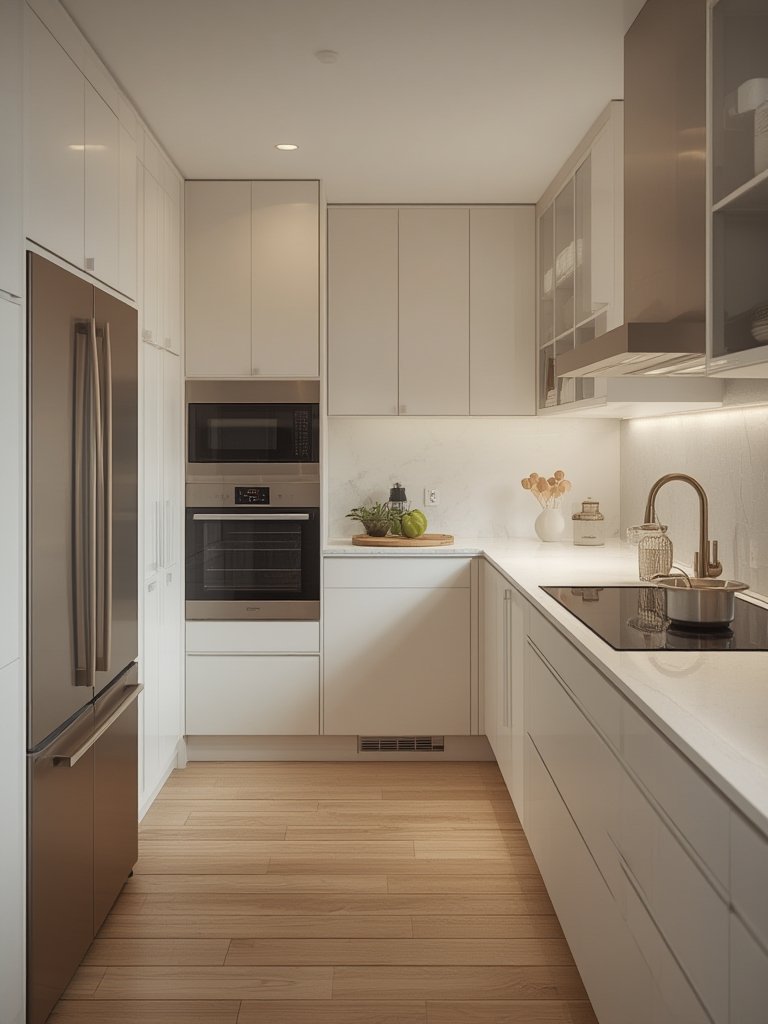
2026 design trends: balancing aesthetics and function + brands to watch
In 2026, kitchen design is equally about clean aesthetics and hidden intelligence. The hottest trends are:
- Seamless fully built-in appliances: Cabinet-panel ready models for fridges, ovens, and dishwashers maximize space and create visual unity.
- Minimalist interfaces: Hidden displays, smooth touch controls, and low-profile handles keep the look simple.
- Material/finish coordination: Matte whites, soft stainless, graphite, and glass blends are popular, matching every décor palette.
- AR/Visual recipe overlays: Leading brands experiment with heads-up instructions and live visual feedback.
- Sustainable and energy-smart tech: Appliances now focus on reducing waste, using eco-friendly refrigerants, and optimizing power use.
Brands driving these changes include LG (notably for AI refrigerators), Samsung, and Panasonic (high-design built-ins). For first-hand experience with small-footprint, style-forward gadgets, also consider the BLACK+DECKER 12-cup coffee maker or a Nespresso Vertuo Plus coffee and espresso maker.
Key 2026 trends to research: IoT automated cooking, cloud-enabled predictive management, AR interfaces, energy-smart refrigeration, and integrated AI-driven cooking solutions. See an overview of global trends at ShopSilica.
Practical checklist — buying, installing, and styling connected kitchen devices for small/modern kitchens
- Confirm measurements: Measure cabinet openings and counter height for each appliance, planning extra space for doors and ventilation.
- Check power and network convergence: Verify that outlets, voltage, and Wi-Fi signal are robust where each device will live.
- Plan for updates: Ask about firmware upgrade policies and support windows when buying. Reliable vendors provide multi-year support.
- Pick modular or built-in sizing: Choose appliances with adjustable shelves, stacking options, or built-in panels to save space.
- Color and finish matching: Ensure new appliances fit your cabinetry color, or opt for customizable panels on built-in models.
- Add organization boosters: Drawer inserts, vertical racks, and slide-out caddies make the most of tight spaces and keep every tool accessible.
- Request install/delivery support: Some brands offer “white glove” service—take advantage to avoid hassle or damage.
Remember, fully built-in appliances serve as the backbone of a modern kitchen—delivering both seamless aesthetics and the highest level of smart integration, Wi‑Fi, and AI-powered convenience.
Final recommendations and next steps (for buyers, renters, designers)
Smart kitchen appliances you should know in 2026 are a smart investment—if you follow the right process. Focus on built-in or multi-function gadgets for tight footprints. Always confirm open compatibility, ask vendors for real usage data, and prioritize long-term support to protect your investment.
Where possible, trial devices before committing: contact reputable installers, visit showrooms, or request demo units. Given the $34.34 billion market momentum projected for 2026 (TBRC Report), now is the ideal time to modernize your kitchen—for style, organization, and everyday ease.
Ready to take the next step? Map your kitchen’s core routines, document your space, and build your own connected kitchen device plan tailored to your real-world needs.
Frequently Asked Questions
Are fully built-in smart appliances really worth the upfront investment?
For most urban homes and apartments with tight layouts, yes. Built-in models free up space, support a minimalist look, and add resale value—especially as demand for seamless, smart kitchens keeps growing.
How do I protect myself against compatibility issues across brands?
Look for devices supporting open standards (like Matter or Thread), and favor brands known for open smart home ecosystem support. When in doubt, stick with one main brand for core appliances.
What’s the biggest hidden cost of owning smart kitchen gadgets?
Ongoing subscription or cloud service fees, plus spare parts like sensors or filters. Always request an itemized estimate before purchase to avoid surprises.
Can I retrofit older kitchens with smart appliances, or do I need a full remodel?
Many newer gadgets are designed for easy installation and can be slotted into existing cabinetry or countertops. However, built-in models may require professional modification. Modular options are best for renters.
What’s the safest way to upgrade one appliance at a time?
Start with multi-function countertop devices (like air fryers or smart blenders). These require minimal installation but deliver significant convenience. Evaluate performance before committing to larger built-ins.