
How to build a minimalist kitcjen setup is more than a trendy search in 2026 — it’s a practical strategy for anyone wanting a calm, functional kitchen, especially in a small space or on a realistic budget. If your cooking area feels cluttered, chaotic, or overwhelming, the following evidence-backed setup guide is built for you.
Key Takeaways
- Minimalist kitchens are a rising market: The global minimalistic kitchen decor market is projected to reach $50 billion by 2033, confirming this approach is more than a design fad.
- Function beats form: Focus on built-in storage, durable finishes, and multipurpose pieces rather than simply clearing the counters or picking “all-white” looks.
- Audit before you buy: A quick self-assessment will save you both money and frustration — many mistakes can be avoided with a step-by-step, purpose-led plan.
- Why Minimalist Kitchens Matter in 2026
- Step-by-Step Guide: How to build a minimalist kitcjen setup
- Advanced Analysis & Common Pitfalls
- Conclusion
- Frequently Asked Questions
Why Minimalist Kitchens Matter in 2026
Minimalism has moved from a fleeting trend to a lasting model for modern kitchens. According to the latest NKBA 2026 Kitchen Trends Report, 60% of designers and homeowners are choosing streamlined, purposeful spaces. The global Minimalistic Kitchen Decor Market, valued at $30 billion in 2025, is set to reach $50 billion by 2033 — a clear sign that “less but better” design is being driven by real consumer needs, not just Instagram feeds or showroom hype.
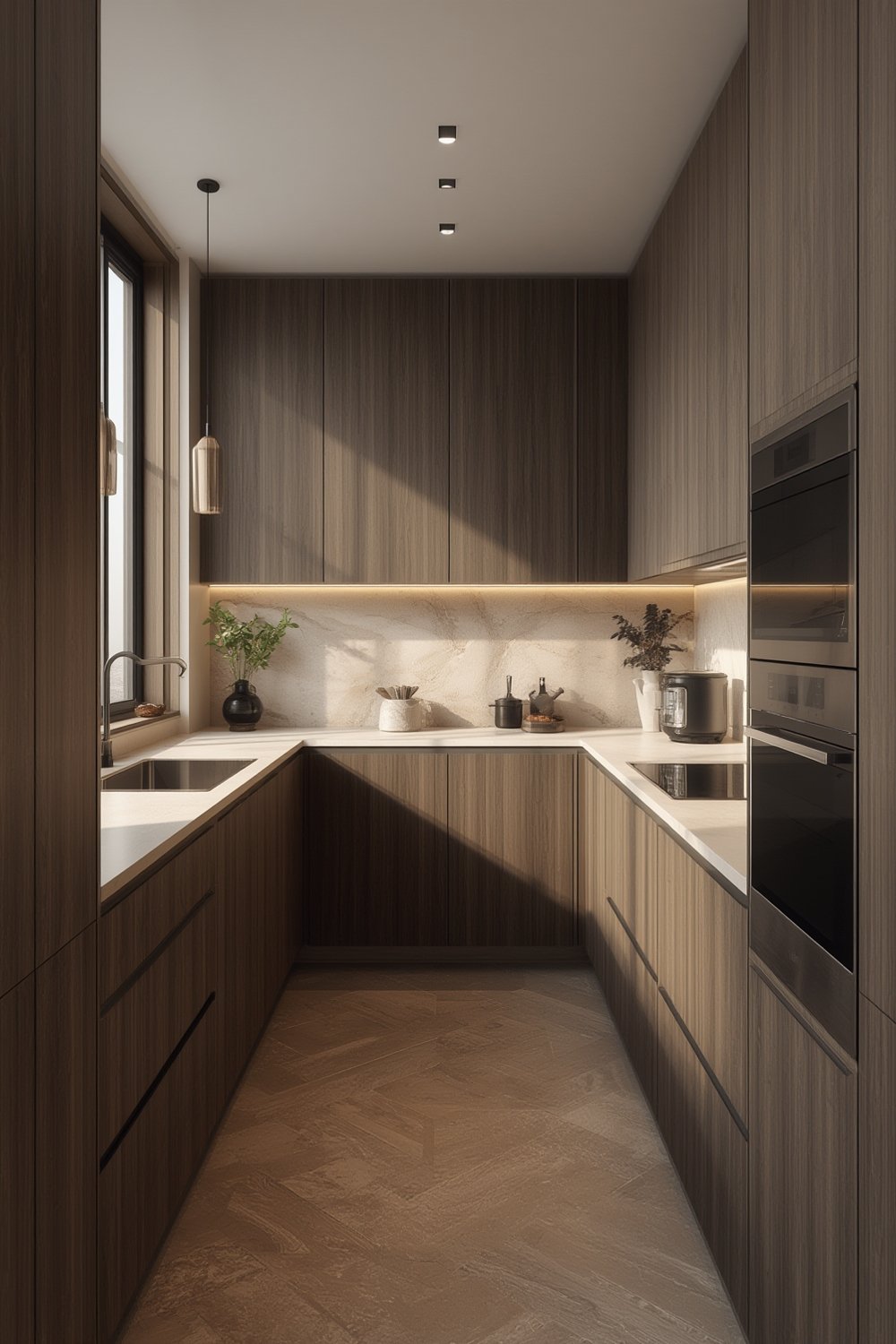
Why is this shift happening? Limited square footage, soaring real estate prices, and the desire for low-maintenance living make clutter-free, efficient kitchens essential. Designer consensus isn’t about sterile, white boxes: it’s about durable choices, multipurpose appliances, and intentional creation of space so you actually enjoy cooking and hosting — even in a small urban kitchen.
If you’re looking for a functional, realistic 2026 buying guide to create your own minimalist kitchen, you’re in the right place. Expect actionable advice, evidence-backed principles, and an approach that saves both money and stress.
Step-by-Step Guide: How to build a minimalist kitcjen setup
Follow this focused, step-by-step plan to create a clutter-free, highly usable kitchen — whether you’re a beginner or just want to refresh what you have.
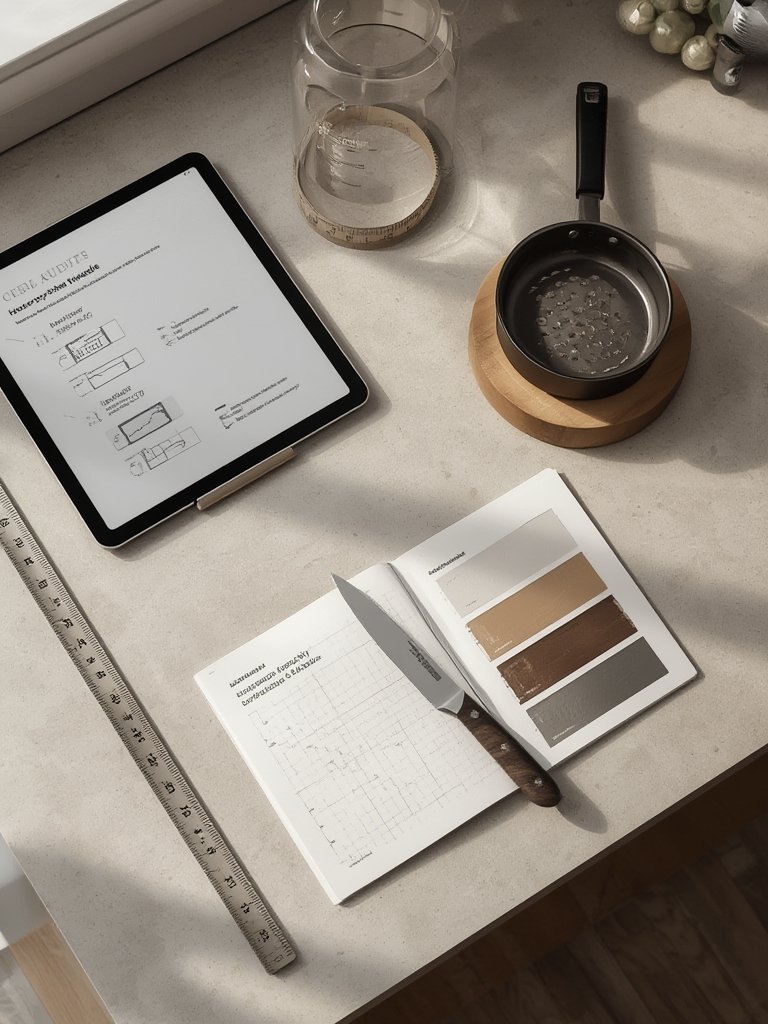
Step 1: Quick Self-Audit & Declutter
- Count your most-used tools (knives, pans, coffee maker, blender). Set aside duplicates or rarely-used gadgets.
- Assess current pain points: Where does clutter accumulate? Are you missing storage, or do you have too many single-use appliances?
- Checklist: Countertop surface in daily use, major appliance needs, hidden storage possibilities, kitchen layout constraints.
- Action: Plan to keep only what suits your actual weekly cooking habits — not “just in case” items.
Beginner tips: Don’t rush purging — spread this over a weekend, and invite a friend for a second opinion if you’re unsure about donating items.
Step 2: Prioritize Storage & Layout Over Looks
- Choose cabinets and drawers with built-in organizers (pull-outs, tray dividers, deep drawers).
- Go for durable finishes: Matte surfaces and dark woods are favored by most designers (up to 96%) for their warmth and fingerprint resistance.
- Reject “open shelving for looks” if you don’t love constant dusting and organizing — 32% of owners now regret too much open shelving due to cleaning headaches.
Expert advice: Built-in storage and efficient U- or L-shaped layouts are more future-proof than flashy backsplashes or maximalist colors.
Step 3: Make a Minimalist Buying Checklist
- Cabinets & doors: Flat slab cabinet doors (69% of 2026 trend-setters), subtle two-tone, matte or brushed hardware.
- Countertop & backsplash: Durable solid-surface or quartz, slab/solid backsplashes (75% of trends cited in NKBA’s report).
- Sink & tap: Undermount or integrated sinks for seamless cleaning, single deep bowl preferred.
- Core appliances: Panel-faced refrigerator (72%), compact dishwasher (85%), induction cooktop. Opt for multi-use appliances wherever possible, such as an air fryer toaster oven combo.
- Cooking essentials: Invest in a great chef’s knife, one nonstick skillet, and a multi-cooker. See in-depth reviews of the Ninja BN701 1400W blender and Nespresso Vertuo Plus espresso maker.
- Lighting: Task lighting under cabinets, avoid ornate fixtures that reduce headroom or add visual clutter.
- Organizational tools: stackable containers, drawer dividers, and pull-out pantry modules.
Step 4: Budgets & Sourcing
- Whole-kitchen budget: Expect a realistic range of $7,000–$25,000 for a modest to mid-range update, with major cities skewing higher. Cabinets are often the largest portion (30–50%).
- Incremental upgrades: Swapping out only finishes, fixtures, or adding organizers? Plan for $2,500–$8,500 depending on material quality.
- Always factor hidden costs: Installation, hardware upgrades, plumbing changes, delivery, and waste disposal add up fast.
No explicit itemized costs for 2026 — always collect 3+ quotes and shop both big-box (IKEA) and local cabinetmakers for the best deal.
Step 5: Timeline & Build Plan
- Week 0: Audit, declutter, sketch new layout.
- Weeks 1–2: Measure thoroughly, order cabinets/appliances. Reserve space for essential countertop prep areas and main appliances first.
- Weeks 3–6: Install cabinets and countertop, followed by main appliances. Plan for 1–2 weeks of delays or revisions.
- Weeks 7–12: Add hardware, shelving, lighting, and organization tools. Test your workflow — if something’s not working, adjust before you finalize.
DIY can save money on hardware and storage solutions, but always call a pro for plumbing or custom cabinetry to avoid costly errors.
Advanced Analysis & Common Pitfalls
While minimalism has clear upsides, real-world kitchen projects run into predictable issues. Here’s what surveys and designer consensus reveal for 2026.
| Pitfall | Why It Happens | How to Avoid |
|---|---|---|
| Over-decluttering — donating too much, too fast | Excitement leads to purging useful tools and appliances you might regret losing. | Box up “maybe” items for 3 months. Only donate what you haven’t missed after that trial period. |
| Underestimating storage | Cabinets look sleek but lack deep, practical storage or organizers. | Choose deep drawers, pull-outs, and modular pantry inserts. Avoid only shallow cabinets. |
| Open shelving picked for looks | Pinterest appeal, but 32% regret high maintenance and dusting. | Limit open shelves to low-access spots, or skip them entirely for enclosed storage. |
| Buying cheap “minimal” items | Budget temptation; items wear out or don’t perform in daily cooking. | Prioritize fewer, multi-purpose high-quality appliances — consider a mid-tier stand mixer or multi-cooker over a drawer full of gadgets. |
| All-white, high-gloss finishes | Trendy but prone to smudges, stains, and dated looks. | Opt for matte surfaces, warm neutrals, and darker woods, which are easier to keep looking new and on trend with 2026 designer picks. |
If you’re not certain what appliances you’ll honestly use, start with the basics and expand slowly. Most regret comes from buying fast, not thoughtfully, or copying a style without checking what makes sense in your own space.
Conclusion
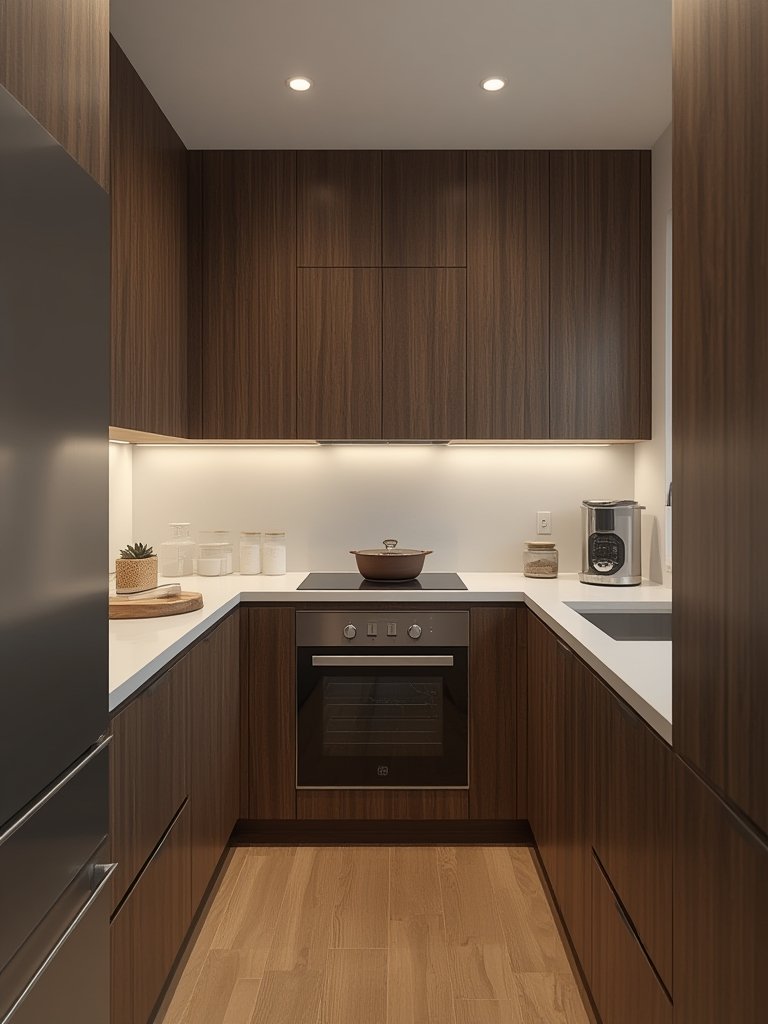
Minimalism in the kitchen is all about purposeful choices, not about owning less for its own sake. By using the evidence-based steps above, prioritizing function, and learning from real-world pitfalls, you’ll build a setup that looks good and works for your daily life. Whether you’re remodeling or simply reducing clutter, how to build a minimalist kitcjen setup in 2026 means buying less, choosing better, and designing with intention — not following trends blindly.
Ready to declutter and modernize your space? Start your kitchen audit today and use this guide as your weekend project roadmap. Share your before and after setups, or ask questions below — your journey will make the minimalist kitchen scene even better for others, too.
Frequently Asked Questions
How do I know if a minimalist kitchen is right for me?
If your kitchen feels crowded, is hard to clean, or you rarely use more than half your gadgets, a minimalist setup is probably a good fit. Focus on function first.
What should I splurge on when building a minimalist kitcjen?
Invest in built-in storage, a great knife, and durable finishes — areas used every day. Appliances like a professional blender or multi-cooker can replace several gadgets.
Are matte finishes really better than glossy ones?
Yes. Matte is preferred by 60%+ of designers for its warmth and ease of maintenance. It hides fingerprints and stays in style longer, according to NKBA’s 2026 Trends Report.
Can I make my current small kitchen feel more minimalist without a full remodel?
Absolutely. Declutter, add stackable containers, introduce one space-saving appliance, and swap to matte or neutral organizers. You can achieve a big impact with fewer, focused upgrades.
What’s the biggest mistake beginners make?
Getting rid of everything quickly, then realizing they need key items later. Always box up “maybes” for a trial period before giving them away.