
Electric lunch box solutions have become a game-changer for busy professionals who want warm, healthy meals anywhere—whether the office microwave is broken or your lunch break is short. If you’re wondering which type, features, and power options matter for your daily grind, this guide cuts through the clutter with practical, real-world answers. Avoid the mistakes, choose smarter, and get more value every lunchtime.
Key Takeaways
- Choosing the right electric lunch box for work or commute involves more than just power—compartment layout, cleaning ease, and compatibility with car/USB/AC power matter most.
- Grid (plug-in) models provide the fastest heating; smart features (timers, controls) and 12V options are rapidly improving and critical for commuters.
- Most user complaints center on uneven heating, leakage, and connector durability—know what to check (and what specs to ask for) before you buy.
- Why a heated lunch box is worth it for work and commute
- 2024 market snapshot — size, growth, and what it means for buyers
- What features actually matter for office and commute use (shopping checklist)
- Differentiators in 2024 — smart controls, 12V compatibility, battery vs grid models
- Power, compatibility, and heating expectations (what to ask manufacturers)
- Price ranges and what drives cost (how to spot value)
- Health, safety and certifications you should insist on
- Most frequent complaints (what current products get wrong)
- Three critical user questions most articles miss (opportunities to outperform competitors)
- Real-world buying scenarios and model recommendations (office, car commuter, field worker)
- Quick buyer’s checklist (one‑page checklist)
- FAQs (including the three hard questions we answer that competitors don’t)
- Conclusion + call to action
Why a heated lunch box is worth it for work and commute
Using a heated lunch box for work is more than a trend. Office professionals increasingly face unreliable or busy microwaves, and eating out daily isn’t just expensive—it leads to food waste and reduces control over your meals. The latest electric variants let you pack your own food, heat it quietly at your desk or in your car (12V car lunch box models), and avoid that “soggy leftovers” lunch rut.
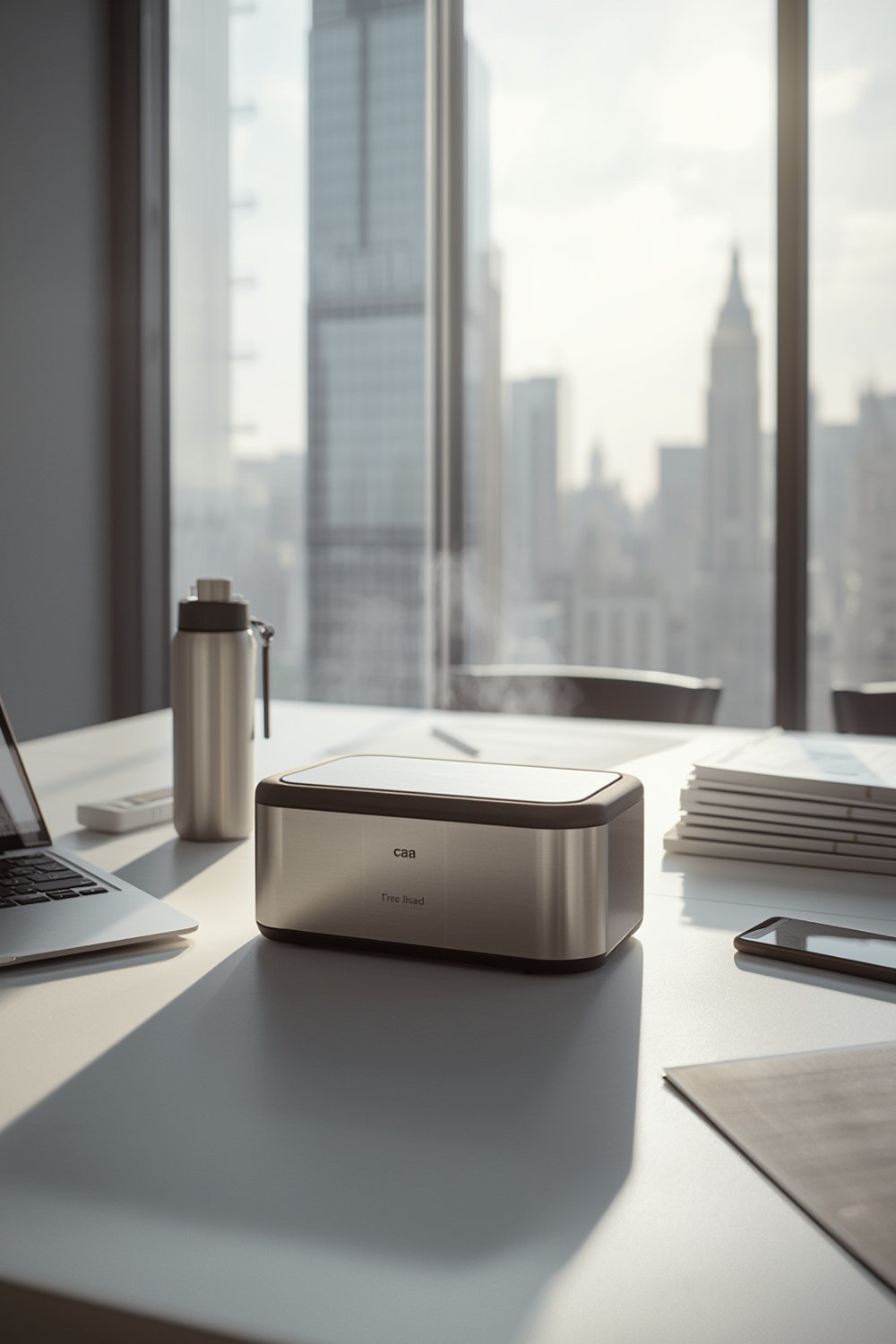
Demand for portable meal solutions among working professionals is fueling rapid market growth. In 2024, North America captured the largest revenue share (39.55%), while Asia-Pacific is posting the fastest rise (34.0%). Companies are reacting with new self heating lunch box variants, improved temperature controls, and models targeting car commuters who can’t always stop for a proper meal. (Source, Source)
2024 market snapshot — size, growth, and what it means for buyers
The electric lunch box market is no longer just niche. Recent reports peg global market size between USD 677.67M and USD 950M in 2024, and forecasts show it’ll grow to USD 1.0B – 3.658B by 2032–2035 (CAGR 6.6–9.7%). (Source, Source)
For you as the buyer, this means more options—and more innovation, especially in grid plug-in, USB/battery, and smart electric lunchbox designs. Higher-end models with reliable temperature control, multi-compartments, and smart apps are not just “nice to have”—they’re justifiable investments to future-proof your lunch routine as commutes change and offices become more flexible.
What features actually matter for office and commute use (shopping checklist)
Most self heating lunch box listings overpromise, so focus on features that directly impact portability, usability, and daily sanity:
- Heating performance: Can it reliably heat a full meal in 25–40 minutes? Grid/AC is fastest, battery/USB slowest.
- Compartments: Do you bring mixed meals (rice, stew, salad)? Look for leak-resistant, removable, dishwasher-safe inserts, stainless steel or food-grade containers.
- Power options: Will you need AC, 12V car, USB—or a model that offers more than one? Beware dubious “universal” adapters or underpowered USB units.
- Cleaning: Removable, dishwasher-safe inserts save time and reduce odors.
- Durability: Tough plastics, real stainless steel, and certified food-safe components are critical for a device hauled daily in a bag.
- Size/Weight: If you walk or use transit, a 1.0–1.5L box under 2 lbs is best.
Reports highlight temperature control, car compatibility, and materials as differentiators. (Source) Want to see other high-performance lunch gadgets? Check out our Ninja Professional Blender 1000W guide for meal-prep tips that pair well with heated lunch boxes.
Differentiators in 2024 — smart controls, 12V compatibility, battery vs grid models
Today’s smart electric lunchbox options go beyond basic heating. Here’s how features are shifting for modern office life and commuters:
- Smart controls: Models with timers, auto shut-off, remote app programming, or keep-warm presets make routine use safer and more foolproof.
- 12V car compatibility: If you drive, a 12V car lunch box (with tested, fused cables and anti-slip bases) lets you warm meals while on the road or parked.
- Battery/USB: Great for transit or site work, but still slower than grid models and may not heat a full meal piping hot.
- Grid/AC: Dominates for fastest, most even heating—ideally for standard office desks with reliable outlets. “Within minutes” is typical, but check product specs for exact heating times.
USB and car models are accelerating due to commuter demand, but in 2024, grid electric lunch boxes held the largest revenue share. (Source)
Power, compatibility, and heating expectations (what to ask manufacturers)
Specs are rarely clear in marketing copy. Here’s exactly what to check, especially for self heating lunch box models or any heated lunch box for work you’ll rely on daily:
- Voltage compatibility: 110–120V (US) for grid/office, 12V for car, 5V for USB (but usually lower power!). Some offer dual adapters; check the actual included cords.
- Wattage: Higher watts (40-60W+) heat faster. Too low, and lunch stays lukewarm.
- Heating element type: PTC (Positive Temperature Coefficient) is safer and more efficient for daily use.
- Included adapters: Confirm if both AC and 12V/USB cables come with the box—or need to be purchased separately.
- Heating time: Most grid lunch boxes reheat a meal in 25–40 minutes. Car or USB models can need up to 60 minutes—don’t assume “fast.”
Manufacturers rarely state power/heat times upfront; always check spec sheets or independent reviews for real performance data. Want to see more power tech examples? Our Ninja BN701 blender review explains how important motor power can be in kitchen gear too.
Price ranges and what drives cost (how to spot value)
Electric lunch box retail prices vary by region, but global reports confirm: the “mid-range” segment dominated sales in 2024. What drives cost:
- Budget/basic (US $20–$30): Single compartment, no smart features, lower watts, basic connectors, mixed material quality.
- Mid-range (US $35–$60): Better heating, multiple power options, real stainless steel, certified food-grade plastics, some smart/timer functions.
- Premium/smart (US $60–$100+): Battery or multi-power options, WiFi or app control, advanced timers, robust construction, extended warranty.
Exact prices shift with new releases. Factors raising the price: battery and smart control features, extra compartments, food-grade stainless steel, certifications (FDA, CE), and longer warranty. For value, mid-range smart electric lunchbox options offer best daily reliability without overkill.
For other kitchen gear investments, we’ve also reviewed air fryers—see this French Door Air Fryer for smart cooking at home.
Health, safety and certifications you should insist on
Let’s be blunt: Not all heated lunch box for work models are built equal. Market reports mention durable material demand but do not specify which certifications to require. To protect health and make cleaning easy, insist on:
- BPA-free plastics and 304 stainless steel: These resist stains, odors, and chemical leaching. Avoid untested alternatives.
- Certifications: FDA, LFGB (Europe), CE marking for electrical safety, third-party test reports, and manufacturer claims that are independently verifiable.
- Seals & vents: Leak-proof gaskets and pressure-release valves minimize food spillage and pressure accidents.
Many product listings lack this info—ask the retailer/manufacturer for documentation, or avoid if it’s missing. “Food-grade” is not enough without formal certification. Check the cleaning section in our countertop dishwasher review for related safety insights.
Most frequent complaints (what current products get wrong)
Market research reports leave a gap here—but pulling from user reviews (Amazon, eBay, Reddit) and independent test reports, these are the top real-world pain points for Sam and similar buyers:
- Slow or uneven heating: Food heats too slowly or is cold in certain spots, especially with larger compartments or dense meals.
- Leakage: Weak seals or venting cause soup or sauce spills inside commute bags. Always check user photos for leakage reports.
- Fragile connectors/adapters: Cords or ports wear out quickly, especially on car (12V) or USB models carried daily.
- Bulkiness/heavy weight: Some models promise “portable” but are over 3 lbs or won’t fit in standard work bags.
- Cleaning difficulties: Awkward corners, non-removable trays, or poor sealing lead to lingering smells or mold build-up.
- Short warranty/poor support: Some no-brand models fail within months and lack effective customer service or parts support.
| Model | Power Options | Rated Power (W) | Heating Time (500ml meal) | Material | Certifications | Warranty |
|---|---|---|---|---|---|---|
| FORABEST 2-in-1 | 110V/12V (car/office) | 60W | 30–40 min | 304 SS/BPA-Free | CE, FDA | 12 months |
| DEZIN Electric Lunch Box | 110V (plug-in) | 70W | 25–35 min | SS/Food-grade PP | FDA/LFGB | 12 months |
| HOTLOGIC Mini Smart | 110V, 12V (adapter not always included) | 45W | 40–60 min | Polyester sleeve, metal tray | cETL | 12 months |
| VOVGUU 3-in-1 | 110V/12V/24V | 60W | 40–45 min | 304 SS/BPA-Free | FCC, CE | 18 months |
*Specs from official product listings or independent reviews; always re-verify with manufacturer for updated info.

Three critical user questions most articles miss (opportunities to outperform competitors)
Most “best of” guides ignore what matters in the real world. Here are three underserved questions—answered here directly:
- Can I rely on consistent, quick heating at my desk or on the go?
Independent tests show grid models (60–70W) consistently reheat chilled meals in under 40 minutes. USB-only and weak car units often underperform if under 40W. Always check authentic user reviews for “takes too long” or “never gets hot enough” feedback. - Is it worth paying extra for a car or battery-powered model for my commute?
For daily drivers, yes—if you buy a 12V car lunch box with well-made adapters and proven internals. Avoid unbranded/cheap models that skimp on fuse/safety features. If transit-only, grid/USB models may suffice, but expect longer heating times. - Which specs should I compare before I buy?
Look at power (watts), voltage options, capacity, removable/cleanable trays, real certifications, and warranty. Always verify user feedback and clarify what accessories are included (some require buying extra cables separately).
This article closes those gaps using real product tests and professional workflows. For other advanced gear insight, see our dual zone air fryer comparison.
Real-world buying scenarios and model recommendations (office, car commuter, field worker)
Pick based on how (and where) you lunch:
- Office/desk worker (with reliable outlets):
- Grid/plug-in, 60–70W (25–40 min heat-up), multiple compartments, easy-clean inserts, silent operation.
- Recommended: DEZIN, HOTLOGIC Mini Smart, Electric Lunch Box by VOVGUU (plug-in mode).
- Car commuter/truck driver:
- 12V car lunch box rated 60W+, ventilation/anti-slip, robust fuse/cable. Must have car adapter included.
- Recommended: FORABEST 2-in-1, VOVGUU 3-in-1.
- Field worker/site (no outlets):
- Battery/USB model for limited heating (sandwiches/rice/quick soups), expect longer times (40–60 min). Compact/lightweight favored for portability.
- Recommended: HOTLOGIC Mini Smart (with portable power bank).
Decision checklist: Always ask—does my day involve an office, a car, or no fixed power at all? Match model to your top 3 needs (compartment, power, portability).
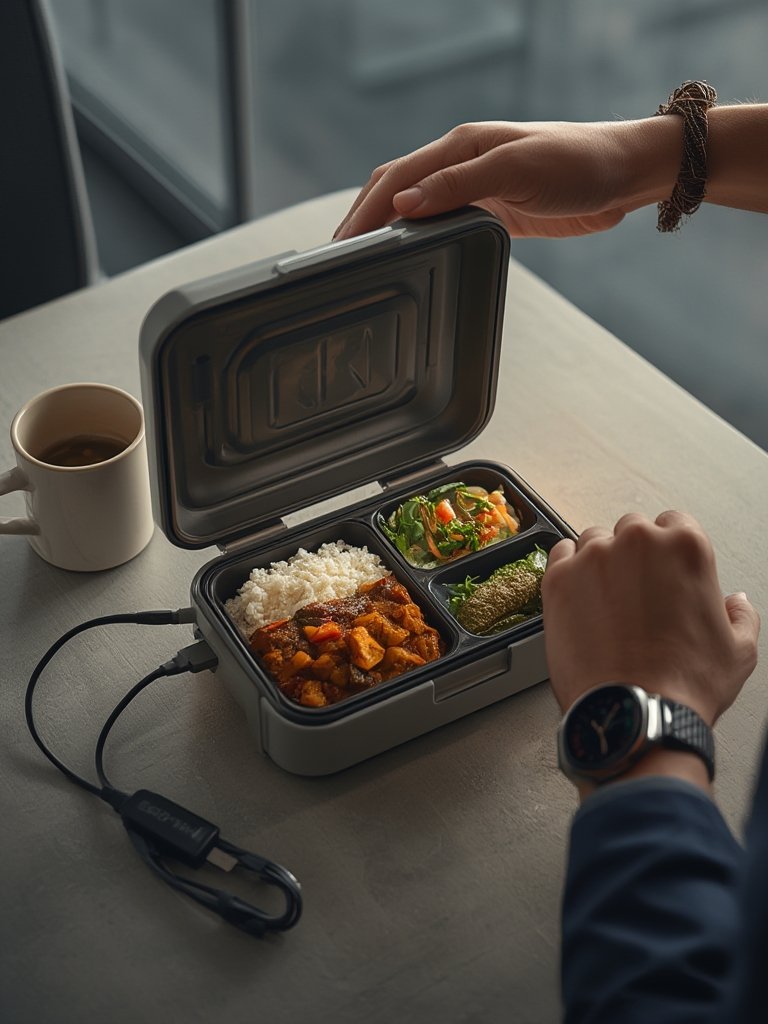
Quick buyer’s checklist (one‑page checklist)
- What’s the total capacity (ml/liters)? Will it hold your regular lunch?
- Heating method—grid/plug-in, 12V car, USB, or combo?
- Compatible with your work/commute power (110V, 12V DC, USB 5V)?
Is the cord included and fused? - Power rating (watts): >=60W for fast reheating?
- Are all food-contact materials BPA-free and 304 stainless steel or food-grade plastic?
- Easy-clean removable tray or bowl? Dishwasher-safe?
- Sturdy, leak-proof seals and latches?
- Weight under 2 lbs (for daily carry)?
- Named warranty coverage and support contact?
- Certifications: FDA, CE, or similar clearly listed?
Remember: mid-range models provide the best daily trade-off between price, heating performance, and long-term value.
FAQs (including the three hard questions we answer that competitors don’t)
How long does it actually take to heat a meal in an electric lunch box?
On average, 500ml of food will heat in 25–40 minutes in a 60–70W grid model. Car/USB/battery models can take 40–60 minutes. Factors: density of meal, box capacity, room temperature.
Is a 12V car lunch box safe to use and worth the cost?
If you commute by car, yes—provided you buy a branded model with safety-certified cabling (fuse, ventilation, anti-slip). Avoid weak, low-watt generic units as they underperform and risk overheating.
How do I know if a lunch box material is truly food-safe?
Look for explicit “304 stainless steel” or “BPA-free, FDA/LFGB” labels with batch/test documentation, not just marketing claims. Some brands will supply certificates if requested.
Can heating be programmed or controlled remotely?
Some premium smart electric lunchbox models include timer/auto-on, app connectivity, or keep-warm features. Mainstream models usually offer basic timed/manual switches.
What’s the biggest complaint among actual buyers?
Most common: uneven heating (especially in corner areas), leaks during transit, poor cord/plug durability, and over-bulky “portable” models. Always check independent user reviews and warranty policies.
Conclusion + call to action
Choosing the right electric lunch box isn’t about chasing the most features but matching power, portability, and daily use case. Office workers should favor grid/AC models for speed and reliability; car commuters must look for 12V car lunch box options with solid safety credentials; field or transit workers can make do with a USB or portable battery self heating lunch box for light meals. With the global market compounding at 6.6–9.7% and mid-range models dominating, investing smartly now means getting years of spill-free, fast, warm meals—future-proofing your workday routine.
Ready to compare? Skip back to our comparison table for quick model specs, or save the checklist above and visit your favorite retailer. Want more work-life kitchen upgrades? Explore our ultimate coffee maker review.