

### Blog Post:
How to make banana bread is a question many weekend home bakers type after one too many gummy or sunken loaves. Whether you’re new or looking for a truly reliable, science-backed method, this guide reveals exactly why banana bread fails, how to fix it every time, and shares an easy banana bread recipe—with precise measurements and step-by-step, no guesswork required.
Key Takeaways
- Most banana bread fails are due to unbalanced wet-to-dry ratios or expired leaveners. Measure, drain, and mix briefly for best results.
- Use overripe (almost black) bananas, weigh your flour, and always bake at least 60–75 minutes at 325–350°F—don’t underbake.
- Precise, science-backed steps and troubleshooting help you make moist, high-rising banana bread on your very first try.
- Why banana bread so often fails — the single most important cause to fix first
- Easy banana bread recipe (from scratch) — precise, testable measurements and step-by-step
- Ingredient-by-ingredient science, exact substitutions, and how each alters the final loaf
- Baking time, temperature, and pan choice — how to bake for even doneness
- The top 3 rarely-mentioned expert tricks that save loaves
- Step-by-step process people skip or misunderstand (and how to do it right)
- Troubleshooting quick-reference (symptom → cause → fix)
- Common substitutions and their measured trade-offs
- Best and worst “easy banana bread” recipes — what user feedback reveals
- Trending variations in 2024 and how they affect texture & flavor
- Final checklist, quick conversions, and FAQs for fast reference
Why banana bread so often fails — the single most important cause to fix first
Ask any home baker: banana bread seems easy but often turns out with a sunken or gummy middle. The core reason? It’s almost always an unbalanced wet-to-dry ratio—too much banana or liquid for the flour amount, or heavy toppings like banana halves pressing the loaf flat. Overdoing baking soda or powder can also cause a rapid, unstable rise (and subsequent collapse).
Recent research found, “Sinking/collapsing is most often due to unbalanced wet-to-dry ingredient ratios (excess moisture from too many bananas or liquids), and heavy toppings can add weight to delicate batter.”
If you make only one change, control the ratio: 1 cup mashed banana per 1.5 cups flour, and limit all combined wet ingredients to about 1.5 cups per loaf. Always test your baking soda/powder for freshness, and skip dense toppings until you’ve mastered the bake.
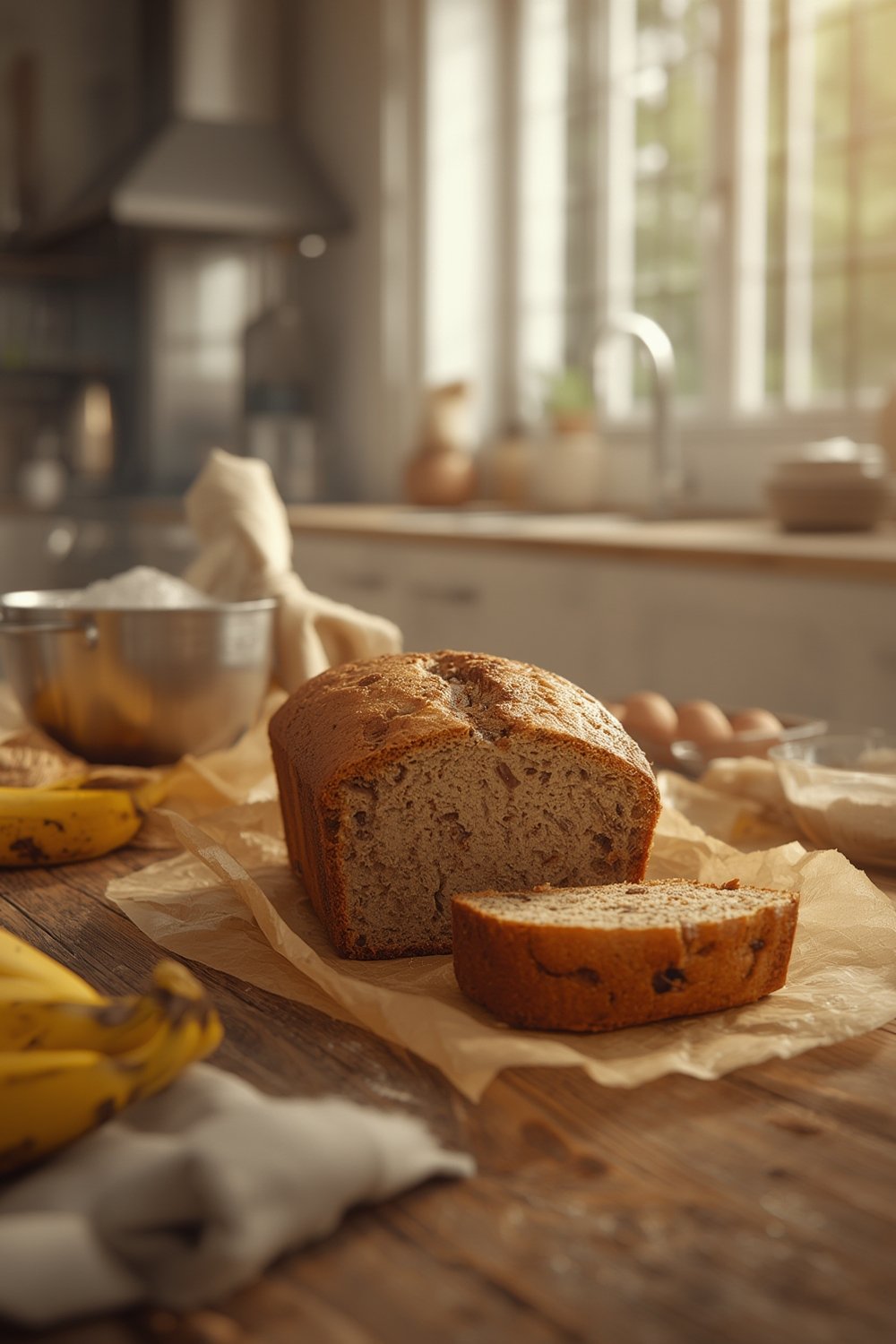
Easy banana bread recipe (from scratch) — precise, testable measurements and step-by-step
This is the “gold standard” easy banana bread recipe you can rely on, using weight and volume for accuracy. Every step is designed to replicate professional results at home—no sunken center, no guessing.
- Bananas: 1 cup mashed (≈ 3 medium, overripe/almost black bananas, ~250g drained)
- All-purpose flour: 1.5 cups (190g, weighed preferred)
- Sugar: ¾ – 1 cup (150–200g, granulated or brown)
- Fat: ½ cup (115g, melted unsalted butter or neutral oil)
- Eggs: 2 large (room temp)
- Leavener: 1.5 tsp baking powder + ¼ tsp baking soda
- Salt: ½ tsp fine sea salt
- Vanilla: 1 tsp
- Optional: ½ cup (110g) sour cream or yogurt (for extra tenderness), ½–1 cup nuts/chips (add dry for best structure)
- Preheat oven to 350°F (177°C). Grease a metal loaf pan or line with parchment.
- Mash bananas thoroughly. If using frozen/thawed bananas, drain off any excess liquid—see expert tips below.
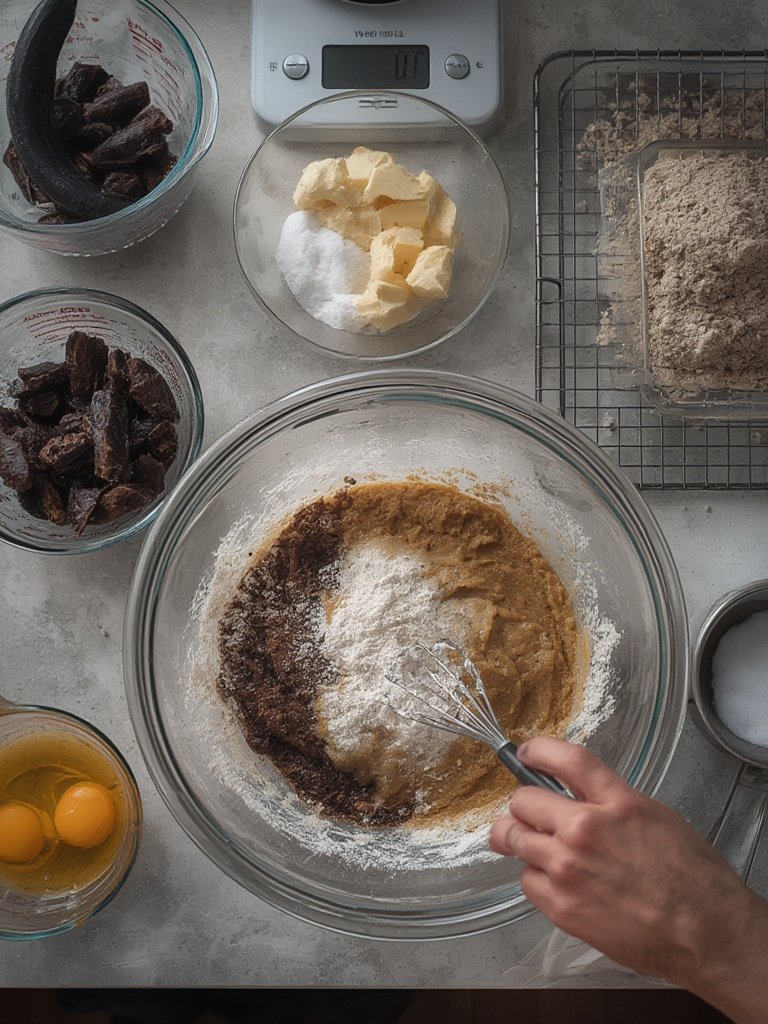
- In a mixing bowl, whisk mashed banana, sugar, eggs, melted butter (or oil), vanilla, and sour cream/yogurt if using.
- In a separate bowl, whisk flour, baking powder, baking soda, and salt.
- Add dry ingredients to wet. Fold by hand just until you see no dry streaks (about 15 seconds, lumpy batter is fine). Fold in nuts/chocolate if using.
- Scrape into prepared pan. Smooth the top gently.
- Bake for 60–75 minutes. A toothpick or skewer should come out with moist crumbs (not wet batter). Internal temp at center should be 200–205°F (93–96°C) when done.
- Cool at least 20 minutes in pan. Then turn out and finish cooling before slicing.
Need more kitchen convenience? For hands-off banana mashing and blending, try a powerful ninja blender or see the Ninja BN701 review—ideal for bakers who want smooth, lump-free batter every time.
Ingredient-by-ingredient science, exact substitutions, and how each alters the final loaf
Perfect banana bread comes down to understanding what each part does:
- Bananas: 1 cup mashed ≈ 3 medium overripe (see expert troubleshooting guide). Ripening increases sweetness. If you swap with pumpkin or applesauce, you’ll get a heavier, denser result—adjust for less moisture and up the leavener slightly.
- Flour: All-purpose, 1.5 cups (190g). Needed for structure and absorbing banana moisture. If using almond or gluten-free flours, your loaf will be denser and need extra binder (like an extra egg or some xanthan gum).
- Fat: Butter or oil (½ cup/115g). Oil yields more moist, cake-like crumb, while butter gives flavor. If substituting, use the same weight of neutral oil for butter.
- Sugar: ¾–1 cup. Brown sugar adds more moisture but can darken and weigh down loaves slightly.
- Eggs: 2 large. For vegan, sub two “flax eggs” (2 tbsp ground flax + 5 tbsp water, rested), but expect a flatter loaf and adjust baking powder up by ¼ tsp.
- Leaveners: Rule of thumb is 1 tsp baking powder and ¼ tsp baking soda for every 1 cup flour. More is not better—overdoing soda/powder collapses the loaf (see data).
- Acids (yogurt/sour cream/buttermilk): Optional, about ½ cup for extra tenderness, especially if bananas are very ripe and wet. Activates baking soda’s rise.
- Salt and vanilla: Don’t skip—brings out sweetness and aroma to keep flavors balanced.
For more on ingredient swaps, see the substitution section below or our in-depth stand mixer guide for quick-mix options.
Baking time, temperature, and pan choice — how to bake for even doneness
Banana bread baking time and baking temperature have more impact than you think. Experts agree: use 325–350°F (163–177°C) for 60–75+ minutes in a 9×5-inch metal loaf pan. Dark or glass pans heat unevenly and brown edges too quickly—in that case, reduce oven to 325°F (163°C), check early, and shield top loosely with foil if over-browning.
Best practice cues for doneness:
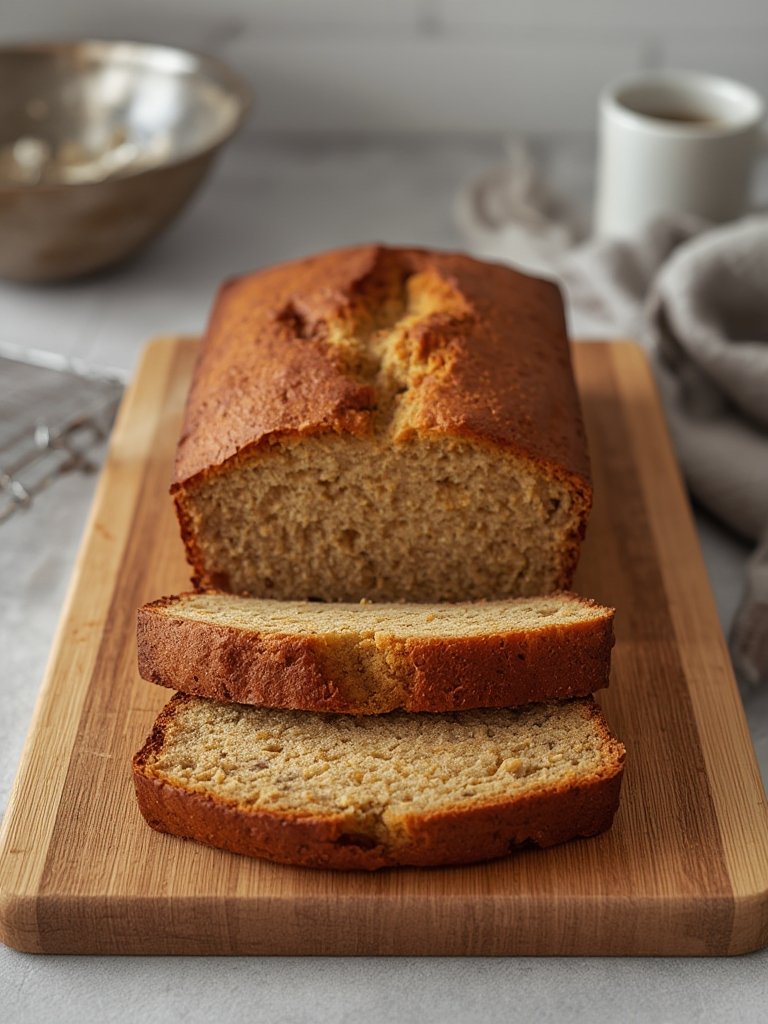
- Loaf pulls from sides, edges are deep golden
- Skewer/toothpick in center comes out with a few moist crumbs (no gooey batter)
- Internal temp in center is 200-205°F (93–96°C)
Never be afraid to bake a bit longer—pulling at the 45–50 minute mark often leaves a raw, gummy base. If your oven runs hot/cold, use an oven thermometer or toaster oven to dial in accuracy.
The top 3 rarely-mentioned expert tricks that save loaves
- Drain mashed bananas: Overripe or thawed bananas are extra wet—squeeze in a strainer or press with a spoon to remove excess liquid. This stops gummy centers.
- Test your leaveners: Mix a small amount of baking soda with a splash of vinegar/lemon—if it doesn’t fizz, it’s dead. For baking powder, add water. Use only if bubbly. This is the secret behind dramatic rise.
- Mix hand and minimally—lumpy is fine: Use a spatula or spoon (not an electric mixer). Mix just until you see no more dry flour—about 15 seconds. More mixing = tough, rubbery bread.
For more baking science, check out this visual banana bread troubleshooting guide.
Step-by-step process people skip or misunderstand (and how to do it right)
- Overmixing: Stop at just-moistened batter (lumpy is ideal!). This avoids rubbery, dense crumb.
- Banana ripeness: Always use overripe, black bananas for best sweetness and moisture. Just-yellow ones do not work.
- Oven timing: Banana bread nearly always needs 60+ minutes. Don’t trust appearance—use a skewer and temperature check.
- Measuring and weighing: Cup volume is imprecise. Weigh flour (190g per 1.5 cups); drain mashed bananas for consistent loaf texture.
- Leavener freshness: Test as above before you start—expired soda or powder = flat, dense loaf.
- Mix in wet-to-wet order: Always combine mashed bananas, eggs, fat, and sugar before folding in the dry mix. This distributes moisture evenly and prevents dry pockets (see proof).
Troubleshooting quick-reference (symptom → cause → fix)
| Symptom | Likely Cause | Fix |
|---|---|---|
| Loaf sinks or collapses | Too much banana/liquid, excess baking powder/soda, heavy toppings | Stick to 1 cup banana/1.5 cups flour, avoid big toppings, use fresh leavener |
| Dense, rubbery texture | Overmixing, cold ingredients, underripe bananas | Mix gently by hand, use black bananas, let dairy/eggs come to room temp |
| Gummy/undercooked center | Underbaking (less than 60 min), excess banana liquid, cold oven, batter too wet | Bake at least 60–75 min, drain bananas, check oven temp, weigh ingredients |
| Dry/crumbly, overbrowned edges | Too much flour, too little banana/fat, oven too hot | Weigh flour, increase banana/fat, use metal pan, reduce oven temp |
| Loaf didn’t rise | Expired/clumpy leavener, too little leavener, very dense batter | Test leavener, sieve powder, fold batter gently, follow ratios |
See more fixes in our ingredient swap section or consult banana bread troubleshooting research.
Common substitutions and their measured trade-offs
- Butter ↔ Oil: Use 115g of oil per ½ cup/1 stick butter. Oil yields a moister, softer loaf, butter gives more flavor and structure. Swap 1:1 by weight.
- Gluten-free/Almond flour: Loaf will be denser—add ½ tsp extra baking powder and 1 tbsp ground flax OR a third egg for binding. Bake a bit longer, and expect less lift.
- Egg-free (Vegan): Use 2 flax eggs (see above), up yogurt/sour cream by 2 tbsp. You may need a touch more baking powder.
- Dairy-free: Use oat or almond yogurt for tang, neutral oil instead of butter. Don’t skip the acid—add ½ tsp lemon juice to activate soda.
- Sugar swaps: Coconut or maple sugar works cup-for-cup but may darken and slightly de-moisturize crumb.
Still not getting the crumb you want? Try mixing batters in a compact stand mixer for hands-off accuracy.
Best and worst “easy banana bread” recipes — what user feedback reveals
Recipe quality varies, but certain sources (notably Bigger Bolder Baking) consistently earn praise for “fail-proof” moist results when their ratios and doneness checks are followed. Chowhound’s and Bake School’s troubleshooting guides identify that most “flops” come from user error—especially overmixing, underbaking, or untested leaveners—not the recipes themselves.
- Most reliable: Recipes with about 1 cup mashed banana (per 1.5 cups flour), fresh leavener, and hand-mixed batters.
- Most failed: “Easy” one-bowl recipes that add all wet and dry at once, or recipes allowing more than 1.5 cups mashed banana per loaf.
Feedback shows even “famous” recipes sometimes fail when steps are skipped. If you want to batch-make for meal prep or brunch, consider the Chefman TurboFry XL air fryer or an extra-large oven for multitasking.
Trending variations in 2024 and how they affect texture & flavor
Popular 2024 banana bread variations include gluten-free (almond or oat flour), vegan (plant milks/flax eggs), lower sugar, and nut-heavy loaves. Most result in denser, flatter, or slightly gummier bread—unless you adjust leavener and binder ratios:
- Gluten-free/almond flour: Densifies crumb—add ½ tsp baking powder + 1 tbsp ground flaxseed, or an extra egg, for loft and binding.
- Vegan/egg-free: Flax/chia eggs and plant yogurt work, but up acid (add lemon juice) and baking powder by ¼ tsp to improve rise.
- Lower sugar: Loaf may be drier and brown less—compensate by adding 1–2 tbsp extra banana or yogurt.
- Mix-ins: Nuts/chocolate chips are best added dry (not as “halved banana” topping, which causes sagging).
To streamline vegan prep or blend nuts smoothly, check our blender for smoothies guide for recommendations.
Research reports still find classic wheat/gluten banana bread produces the most reliably tender and tall loaves; tweaks are needed for flour or egg swaps to keep the bake moist and cohesive (see substitutions section).
Final checklist, quick conversions, and FAQs for fast reference
- Banana ripeness: Should be black, peel dotted, with soft (almost liquefied) flesh.
- Mash weight: 1 cup mashed ≈ 3 medium bananas (about 250g drained for 1.5 cups flour).
- Weigh dry: Flour: 190g = 1.5 cups. Don’t scoop/fluff—use a kitchen scale for best results.
- Leavener check: Baking soda: fizzes with vinegar. Baking powder: fizzes with water.
- Batter thickness: Thicker than pancake batter—should slowly mound, not pour. If too loose, add flour 1 tbsp at a time.
- Oven temp: 325–350°F (163–177°C), metal pan, preheated for 15 min minimum.
- Doneness: Internal temp 200–205°F; toothpick comes out with moist crumbs.
Want more kitchen efficiency? See our Nutribullet Ultra review for fast banana blending, or upgrade your home barista setup with a Nespresso Vertuo Plus for perfect coffee with your bread.
Quick Conversions:
- 1 cup mashed bananas ≈ 250g (≈3 medium bananas)
- 1.5 cups flour = 190g
- 1 stick butter = ½ cup = 115g
- 60–75 minutes = average bake time (test with skewer/internal temp)
FAQs: Banana Bread Troubleshooting & How-To
How many bananas do I need for banana bread?
Use about 3 medium overripe (black) bananas to make 1 cup mashed (≈250g). This is the ideal amount for a standard 1.5 cups flour loaf.
Why is my banana bread center gummy?
Usually, this means too much banana/liquid, underbaking (less than 60 min), or un-drained banana mash. Always drain excess liquid and bake until internal temp reaches 200–205°F.
How do I prevent my loaf from sinking?
Follow the 1 cup banana to 1.5 cups flour ratio, avoid heavy toppings on the batter, test your leavener freshness, and never overmix.
Can I make banana bread without eggs or dairy?
Yes. Use two flax eggs and plant-based yogurt for dairy. You may need a bit more baking powder and acid (like lemon juice) for proper rise.
What’s the best pan for banana bread?
A standard 9×5-inch metal loaf pan gives even results and browning. If you use glass or a dark nonstick pan, reduce your oven temperature by 25°F and check loaf frequently near the end of baking.