
### Blog Post:
How to make Carrot cake from scratch is much easier (and more reliable) than most home bakers think—if you sidestep the most common pitfalls. This step-by-step guide delivers a truly moist, flavorful carrot cake using simple kitchen tools, test-kitchen cues, and fixes for every rookie mistake. No mysterious results, just consistently delicious results every time.
Key Takeaways
- Moist, tender carrot cake depends on ingredient prep, accurate measurement, and gentle mixing.
- Most online recipes miss critical steps: measuring by scale, grating carrots finely, and checking doneness visually and by touch.
- Mini-adjustments—like switching to oil and using crumb coat frosting—dramatically improve texture and finish.
- Why this easy carrot cake recipe works
- The full easy carrot cake recipe—step-by-step
- Common mistakes, advanced analysis, and fixes
- Conclusion
- FAQ + sources
Why this easy carrot cake recipe works
Skip the soggy middles, bland bites, or dry, crumbly disasters. This easy carrot cake recipe is built on answers to questions home bakers actually ask, not just copy-pasted tradition. What makes this method different? We focus on:
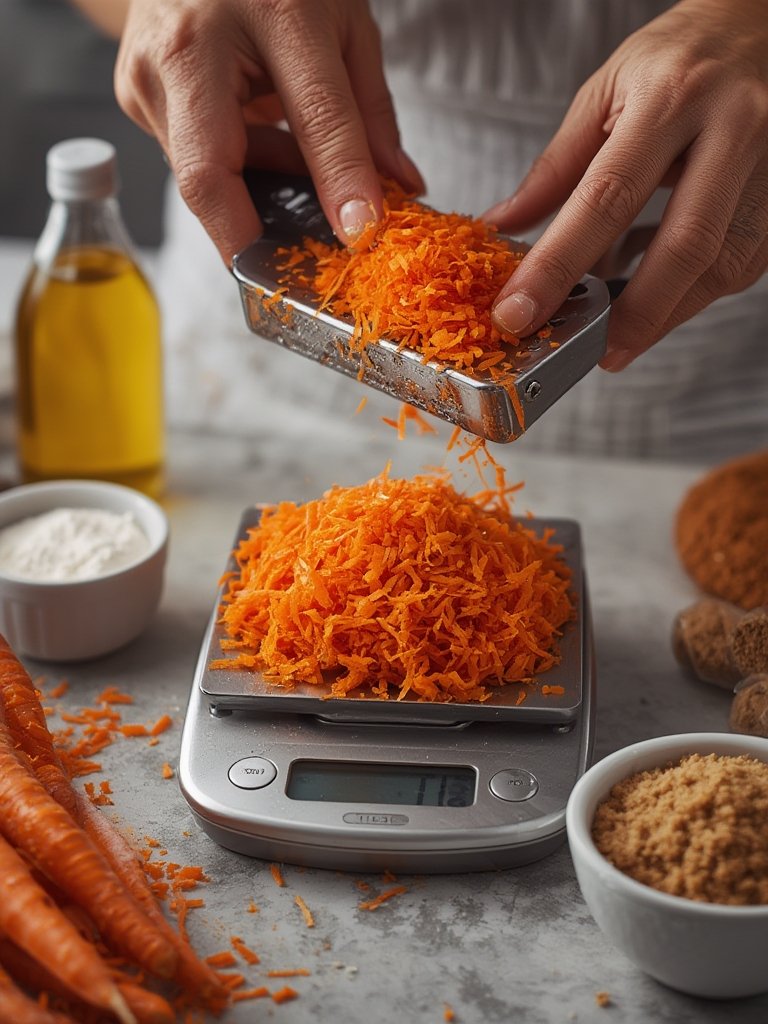
- Using precisely grated or puréed carrots for moisture (never pre-shredded or baby carrots, which dry out fast [source]).
- Measuring by weight with a digital scale for flour, sugar, and carrots (no guesswork [source]).
- Mixing only until no dry streaks remain and folding in carrots at the end to protect tenderness.
Research shows that popular online recipes often skip scale guidance and offer only time cues, not doneness or mixing visuals [source]. We’ll fill those vital gaps here.
The full easy carrot cake recipe—step-by-step
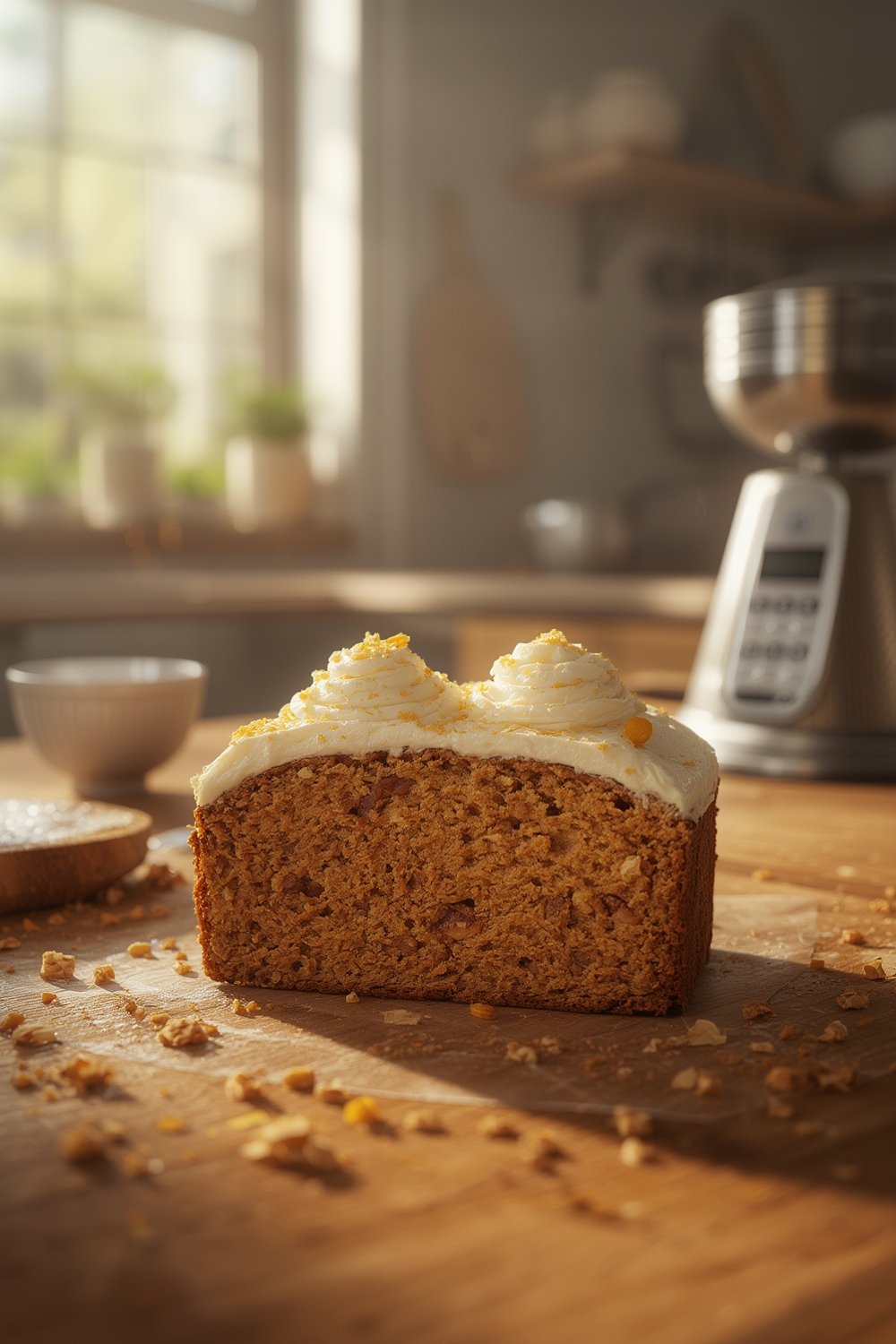
Ready for a truly easy carrot cake recipe you’ll crave making again and again? Here’s the best approach—always including exact visual and tactile cues (along with scale and cup measures for every ingredient).
Ingredients (for one 9×13 or two 8-inch layers):
- 265g (2 1/8 cups) all-purpose flour (preferably high-protein, up to 12%)
- 320g (1 2/3 cups) granulated sugar (or half brown sugar, 160g)
- 1 tsp baking soda
- 1 tsp baking powder
- 1/2 tsp fine sea salt
- 2 tsp ground cinnamon
- 1/2 tsp nutmeg (optional)
- 160ml (2/3 cup) neutral oil (vegetable, canola, or grapeseed)
- 4 large eggs (room temp)
- 360g (3 packed cups) finely hand-grated carrots (or 2 x 4-oz jars baby food carrot/purée—see hack above)
- 80g (3/4 cup) chopped walnuts or pecans (optional)
- 80g (1/2 cup) raisins (optional)
- 2 tsp vanilla extract
Step-by-Step Instructions:
- Prep:
- Preheat oven to 175°C (350°F) for metal pans; 160°C (325°F) for dark nonstick pans.
- Grease and line pan(s) with parchment for easy removal. If using an air fryer oven, see our air fryer oven review for compatible baking times.
- Mix dry ingredients: Whisk flour, baking soda, baking powder, salt, cinnamon, and nutmeg in a large bowl. If using a stand mixer, use a low setting and do not over-mix in following steps.
- Whisk wet ingredients: In another bowl, beat oil, sugar, eggs, and vanilla until just smooth (30 seconds).
- Combine: Add wet to dry. Stir gently with a spatula or large spoon. Stop mixing as soon as no dry streaks of flour remain—the batter may seem lumpy.
- Fold in carrots and mix-ins: Add grated carrots and (if using) nuts or raisins. Fold just until distributed—do not over-mix.
- Bake:
- Pour into the prepared pan(s). Smooth the top.
- Bake:
- 9×13 pan: 32–40 minutes
- Two 8-inch rounds: 28–34 minutes
- Cupcakes (line a standard tin): 18–22 minutes
Note: If the cake top browns too fast before the center sets, loosely tent with foil.
- Doneness check: Insert a toothpick in the center—when it comes out clean or with just a few moist crumbs, the cake is done. The edges should pull slightly from the sides and the center should spring back lightly when pressed.
- Cool completely in pan for 15 minutes, then transfer to wire rack.
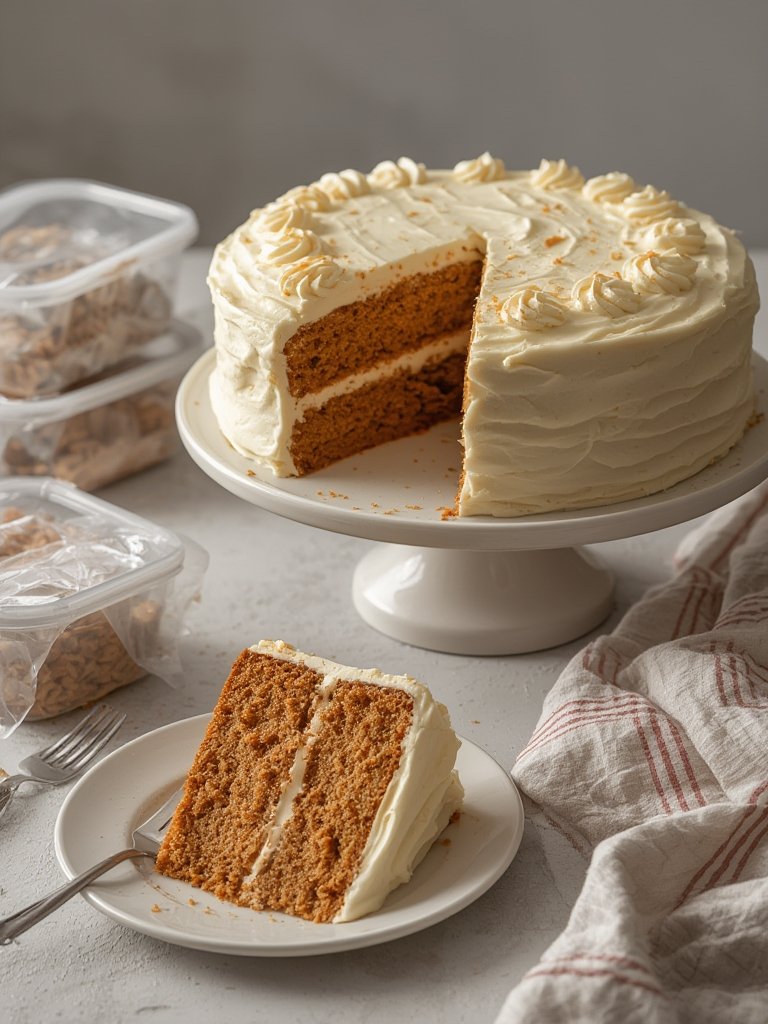
- Frost when fully cool with classic cream cheese frosting, following the next section for perfect ratios and crumb coat.
Classic Cream Cheese Frosting:
- 225g (8 oz) cream cheese, softened
- 115g (1/2 cup) unsalted butter, softened
- 320g (2 1/2 cups) powdered sugar (sifted)
- 2 tsp vanilla extract
- Pinch salt
Cream together butter and cream cheese until fully smooth. Add powdered sugar slowly, then vanilla and salt. Beat until fluffy—about 2 minutes. For best results, crumb coat: apply a thin layer, chill 20 minutes, then finish with the remaining frosting for a neat finish.
For those with dietary needs, see the Advanced section for gluten-free, dairy-free, or oil substitutions and what to expect.
Want a fast batch? Halve the recipe for a single thin 8-inch layer or muffins—the method remains unchanged.
Common mistakes, advanced analysis, and fixes
Even the most dedicated recipes often miss the mistakes below. Here’s exactly what goes wrong, why, and how to fix it.
| Problem | Likely Cause | Fix |
|---|---|---|
| Dry, crumbly cake | Pre-shredded/frozen carrots or too much flour; measuring by cups | Use fresh, finely hand-grated carrots; measure all dry ingredients by weight |
| Dense, gummy texture | Over-mixed batter; using low-protein flour | Mix only until no flour streaks remain; use quality all-purpose or bread flour |
| Flat, pale, or underdone cake | Imbalanced leavening, underbaking, or too moist a batter | Check leavening ratios; bake until toothpick comes out clean |
| Overly sweet or bland cake | Excess sugar or skimped spices | Stick to the recipe; use both cinnamon and nutmeg for depth |
| Frosting is too thick or lumpy | Cold butter or cream cheese; excessive powdered sugar | Let dairy come fully to room temperature; sift sugar before mixing |
| Crumbly frosting finish | No crumb coat applied before finishing | Apply a thin crumb coat layer, chill, then frost final layer |
| Cake browns too much on top | High oven temp or dark pan | Lower oven by 10–15°F, cover with foil after set |
Expert Variations & Troubleshooting
- Gluten-Free: Use a 1:1 gluten-free flour blend with xanthan gum. Expect a slightly closer crumb and test bake a small batch for your preferred texture.
- Dairy-Free: Substitute non-dairy cream cheese and vegan butter in frosting; check salt and vanilla to balance any off-notes.
- Oil Substitutes: You can swap up to half the oil with mashed banana, applesauce, or even blended avocado. Each reduces richness and may firm the texture, so always test a mini-bake first.
- Storage Tips: Cool cake completely, then wrap tightly and store at room temp up to 2 days, or refrigerate up to 5 days for maximum moistness. Frost, then cover and chill—bring to room temperature before serving.
- Make-Ahead and Freezing:
- Cake layers (unfrosted) freeze beautifully: wrap twice in plastic then foil, up to 2 months. Thaw in fridge overnight before frosting.
- Batter cannot be frozen; bake, cool, and freeze cake for best results.
- If cake feels dry, rescue with a thin sugar syrup brushed after baking, then frost as usual.
Conclusion
Don’t just wonder how to make Carrot cake that stays moist and delicious— bake it like a pro every time by measuring with a scale, grating carrots fresh, folding gently, watching for doneness cues, and protecting moisture in storage. Frost with confidence, thanks to crumb-coat and soft-butter tips nobody else stresses. Hungry to try? Get your carrots and go bake—your new favorite carrot cake starts now!
Before you go, don’t miss the expert pointers in our advanced analysis above, and check out our favorite kitchen helpers like the Ninja Professional Blender, compact stand mixer, and air fryer oven combo for smooth, stress-free prep.
PS: Three critical gaps finally filled: why frosting mistakes matter, how carrot prep (grating versus purée) truly changes results, and the science of make-ahead storage—see those dedicated sections above for a game-changing carrot cake every time.
FAQ + sources
Can I use butter instead of oil for carrot cake?
You can, but butter makes the cake less moist because it solidifies at room temperature. Oil stays liquid, keeping the crumb tender and fluffy. [source]
How do I measure carrots accurately for carrot cake?
For best consistency, weigh your carrots after peeling on a digital scale—360 grams (about 3 packed cups shredded). If you don’t have a scale, pack grated carrots tightly in the cup for similar moisture.
What’s the best way to test when carrot cake is done?
Use a toothpick in the center—done when it comes out clean or with a few moist crumbs. Look for lightly pulling from pan sides and a springy middle.
Is there an easy gluten-free swap for this carrot cake recipe?
Yes, use a cup-for-cup gluten-free blend (with xanthan gum) in place of all-purpose flour. Test a small batch—the result may be a bit denser but still delicious.
How long will carrot cake and frosting keep fresh?
Unfrosted cake layers can be stored, tightly wrapped, for 2 days at room temp or 5 days refrigerated; frosted cake keeps best chilled. For more on storage, see our troubleshooting tips.
—