

Best kitchen Appliances for college students can make the difference between savvier eating habits and bland takeout. If you’re facing tight space, a tight budget, and want maximum value from every dollar, you’re in the right guide.
Key Takeaways
- Compact, multi-functional, and energy-efficient appliances are essential for college students living in small dorms or apartments.
- Value for money comes from durable, easy-clean units that can replace several single-use gadgets—think air fryer oven combos, multi-cookers, and mini blenders.
- Maximize savings by knowing when to buy budget versus premium, leveraging student discounts, and checking return policies.
- Market snapshot — why this matters for college shoppers
- Why compact, multi-functional appliances are the best fit for college life
- Top appliance categories every college student should consider
- Budget buys vs. editor’s choice — how to decide
- Editor’s Choice & top picks for 2026 — clear specs, benefits, and limitations
- Best value for money in 2026 — performance, durability, and energy efficiency
- Real student pain points — what reviews reveal and how to avoid problems
- Price ranges and where to save — realistic budgets for each appliance category
- Warranties, return policies, and after-sales support — what students must check
- Three undercovered topics you must read (unique value adds)
- Quick comparison table (what to buy based on living situation)
- FAQs students actually ask
- Conclusion & call to action
Market snapshot — why this matters for college shoppers
The past several years have seen an explosion in demand for smart, compact kitchen appliances that meet the needs of space-crunched, health-focused students. Air fryers, multi-cookers, and high-speed blenders are not just trending—they’re outselling most other types of kitchen electronics globally. In 2024, the small kitchen electronics market hit USD 79.7 billion, projected to climb to 83.4 billion in just a year, with cooking appliances alone raking in 32.7 billion worldwide thanks to this health and convenience trend. Shoppers like Maya aren’t just looking for “cheap”—they’re looking for top picks that pack versatility, healthy options, and easy clean-up into one small package. For the real inside scoop, always check recent 2026 reviews and editor’s lists targeting young adults and apartment dwellers.
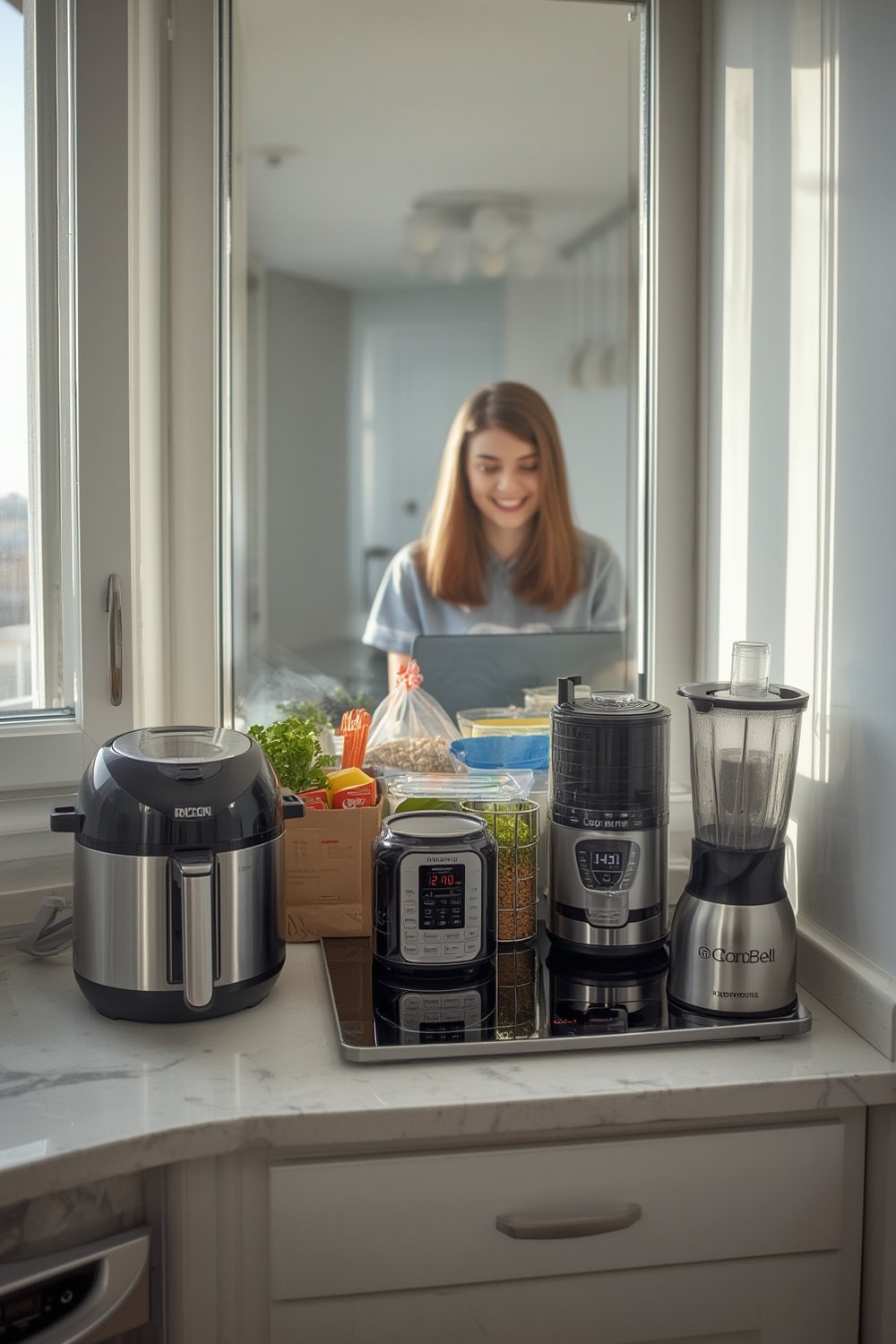
Why compact, multi-functional appliances are the best fit for college life (main insight)
Most college kitchens are shared, tiny, or both. There’s often limited storage and only a sliver of counter space, which makes every dollar—and every inch—count. Choosing the Best kitchen Appliances for college students means thinking beyond just price tags; it’s about getting maximum functionality in the smallest possible package. Multi-use devices (like an air fryer oven combo or an Instant Pot that also slow-cooks and sautés) can eliminate the need for extra pots and specialty gadgets, while also cutting down on clutter and energy use.
According to US market research, demand for compact, multi-functional appliances keeps rising in space-limited apartments—driving a 4.98 billion dollar US market in 2024. Prioritizing energy efficiency with these units pays off, too, since electricity bills (or dorm limitations) are a real concern. For most budget options, lightweight models with removable, dishwasher-safe parts are ideal—especially if you’ll be using them often.
Top appliance categories every college student should consider
Here are the top kitchen Appliances for college students picks, with one-liner “why” for each:
- Air fryers: Make crispy, healthier meals fast, with little oil and easy cleaning.
- Multi-cookers/Instant Pots: Replace slow cookers, rice cookers, and sauté pans—huge variety, tiny footprint.
- High-speed blenders: Whip up smoothies, soups, and sauces; essential for healthy, quick meals.
- Single-serve coffee makers: Save money on cafes and cut down on shared kitchen squabbles.
- Compact induction cooktops: For when your “kitchen” is really just a counter.
- Mini fridges: Store snacks and leftovers without risking a roommate’s “accidentally vanished” food.
- Microwave/convection/toaster ovens: Multi-use heating for everything from pizza to meal-prep veggies.
In 2024, air fryers, multi-cookers, and induction cooktops led the cooking appliance surge, with these three categories dominating global sales at USD 32.7 billion. Check out our unbiased top picks that consistently rank at the head of 2026 reviews.
Budget buys vs. editor’s choice — how to decide
Every student should balance price, durability, and real-world usage. Here’s a quick buying guide:
- Under $50: Shop for occasional-use gadgets (mini blenders, kettles, basic hand mixers).
- $50–$150: Buy high-use small appliances—reliable coffee makers, air fryers, entry-level multi-cookers.
- $150+: Invest in heavy-use “main event” gear (blenders with ice-crushing, premium multi-cookers with multiple features).
If you’ll use it every day (like a 1000W blender or a solid air fryer) buy for durability and warranty, even if it means spending a bit more. For gear you’ll use only sporadically, budget options are fine—you can always replace these when needed. Research consistently shows consumer interest in affordable, energy-efficient, and multi-functional devices fueling market growth (US market $4.98B in 2024). Read our full buying guide for deeper value for money strategies.
Editor’s Choice & top picks for 2026 — clear specs, benefits, and limitations
Transparent specs help you avoid disappointment; most “best of” lists lack concrete data on what makes one model better than the next. Here are our evidence-based top picks for 2026, with pros, cons, and ideal users:
- Air Fryer: Instant Pot Vortex 6QT XL Air Fryer
- Specs: 1700W; 6-quart; 15 x 12 x 13 in; digital presets, EvenCrisp technology
- Pros:
- Fast, even crisping
- Fit for 2–3 meals at a time
- Dishwasher-safe basket
- Cons:
- Slightly bulky on a dorm shelf
- Needs frequent cleaning for max performance
- No broil function
- Best for: Those who love homemade fries, quick chicken, and meal prep.
- Multi-Cooker: PowerXL Stirmax Multi-Cooker
- Specs: Automatic stirring/shredding; presets for rice, slow-cook, bake (launched Nov 2024 at Walmart)
- Pros:
- Hands-off cooking
- Replaces 4+ devices
- Ideal for batch cooking
- Cons:
- Less-known brand (so, check warranty)
- Specs still emerging in early 2026
- No advanced air fry preset
- Best for: Students prepping bulk meals, especially for group living.
- Blender: Nutribullet Ultra Personal Blender NB50500
- Specs: 1200W; 32-ounce cup; 15 x 6 x 6 in; blend-&-go lid, dishwasher-safe
- Pros:
- Compact and portable
- Powerful for ice, nuts, and leafy greens
- Quick rinse cycle
- Cons:
- Taller profile—watch cabinet clearance
- Loud at full speed
- Capacity limits batch prepping
- Best for: Students hooked on fresh smoothies or post-workout shakes.
- Coffee Maker: BLACK+DECKER 12-Cup Coffee Maker
- Specs: 900W; 12-cup carafe; 12 x 9 x 13.5 in; programmable brew, auto-shutoff
- Pros:
- Consistent brewing for groups or roommates
- Programmable for mornings
- Affordable and widely available
- Cons:
- No single-cup mode
- Carafe takes up space
- Basic design, not flashy
- Best for: Caffeine-driven students, suite-living, or shared apartments.
- Compact Induction Cooktop: Duxtop 1800W Portable Induction Burner
- Specs: 1800W; 13 x 11 x 2.5 in; 10 temperature presets, auto-pan detection
- Pros:
- Ultra-portable and lightweight
- Safer than open coil or gas stoves
- Efficient, heats only compatible cookware
- Cons:
- Requires induction-ready pans
- Not dorm-approved everywhere
- Short power cord
- Best for: Apartment users with counter space and flexible cooking needs.
Due diligence matters: Because many “2026 reviews” lack concrete specs or college-focused pros/cons, we list these up front—read them before purchasing to be sure a pick like the Emeril Lagasse Air Fryer Oven Combo isn’t oversized for your actual counter or lifestyle.
Best value for money in 2026 — performance, durability, and energy efficiency
How do you know an appliance offers real value for money? Our methodology weighs:
- Performance (does it work as promised, consistently?)
- Durability signals (strong warranty, proven brand track-record, customer reviews)
- Energy efficiency (lower daily operating costs, eco modes)
- True multi-functionality (replaces several devices = saves space and cash)
Industry trends point to energy-saving models and combos that let you do more with less clutter (CAGR ~5% US market growth). Here are three appliances balancing performance and value:
- Hamilton Beach Power Elite Wave Action Blender: Affordable, compact, crushes ice for smoothies, and easy to rinse after use.
- Ninja DoubleStack XL 2-Basket Air Fryer: Double zone cooking in one unit, energy efficient, perfect for batch cooking roommates’ meals separately.
- Ninja 12-Cup Programmable Coffee Brewer: Built for daily use, program ahead, and fits most student kitchen budgets.
Choosing these top picks means you won’t need to keep replacing dead gadgets every semester.
Real student pain points — what reviews reveal and how to avoid problems
Even the best appliances cause frustration if a few details are ignored. Based on review analysis and urbanization research, here are the top issues—and what to do:
- Size/footprint: Most pain comes from overestimating counter or storage space. Mitigation: Always measure your intended spot, check dorm or landlord appliance rules, and review the footprint in the specs (not just “quarts” or “cup capacity”).
- Cleaning difficulty: Machines with lots of nooks (especially blenders or ovens) can trap food and smell. Mitigation: Look for dishwasher-safe baskets, removable pitchers, and self-clean features.
- Noise: Some blenders and air fryers are seriously loud. Mitigation: Use rubber feet or mats on counters to reduce vibration, and avoid running at night in shared housing.
- Reliability: Off-brand or “lowest price” units may burn out quickly. Mitigation: Check warranty, prioritize known brands with good parts support, and scan real user reviews.
- Limited capacity: One-person gadgets don’t help with group meals or batch prepping. Mitigation: Choose models that match your eating/cooking style—don’t just go by “top picks” without checking your real use.
For deeper pros and cons, hit our full buying guide with model-specific troubleshooting or performance hacks.
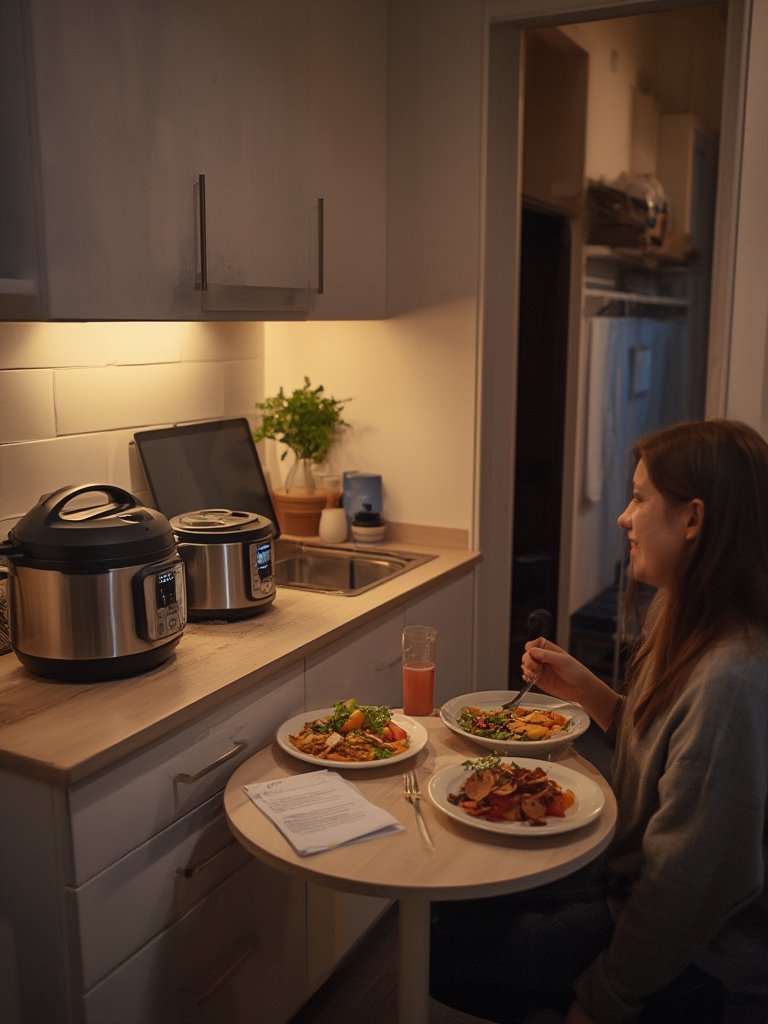
Price ranges and where to save — realistic budgets for each appliance category
Each appliance type carries low, mid, and premium choices:
- Air Fryers: $40–$80 (entry), $80–$130 (mid), $130–$250 (premium)
- Multi-Cookers: $45–$90 (entry), $90–$180 (mid), $180–$300 (premium/large)
- Blenders: $25–$70 (personal), $70–$140 (full size), $140–$300 (high-end, multifunctional)
- Coffee Makers: $20–$70 (basic single-serve), $70–$150 (programmable, carafe), $150–$300 (premium, specialty pod)
- Induction Cooktops: $50–$90 (entry), $90–$180 (multi-zone/feature-rich)
- Microwave/Toaster Ovens: $40–$90 (entry), $90–$180 (convection/air fry)
Best saving techniques:
- Buy refurbished from manufacturer sites or trusted outlets.
- Time purchases during back-to-school or post-holiday sales.
- Look for student discounts from brands, online stores, and large retailers—especially where offline sales are still strong (USD 17.6B in 2024 held by brick stores, but post-pandemic, online sales have soared).
Smart shopping blends savvy timing, channel selection, and eagle-eyed price matching.
Warranties, return policies, and after-sales support — what students must check
Don’t ignore the fine print. Here’s a quick checklist for students before buying:
- Standard warranty length (minimum 1 year—longer is better!)
- What’s covered (just electronics, or also accessories, baskets, etc.)
- Return window (ideally 30 days or more, hassle-free for mail-in returns)
- Are spare parts easy to find and affordable?
- Are there accessible service centers, or is everything remote-only?
Typically, big brands offer longer warranties and responsive customer service, but value brands (especially online-only) can leave you with little support if something fails. Offline stores (like Walmart, Target, Best Buy) remain popular precisely because of better in-person returns and support (offline sales at $17.6B in 2024).
Pitfall: Don’t assume a leading “top pick” model comes with warranty length and returnability; policies can change year to year.
Three undercovered topics you must read (unique value adds)
- Compact modularity: Stackable or convertible appliances (stand mixers with blender attachments, toaster ovens with air-fry inserts) can double your options in a fraction of the space. Check out the Kitchen in the box compact stand mixer as a modular, storable solution for baking fans.
- Ongoing cost of ownership: Don’t just budget for the appliance—factor in energy use, cost of replacement filters or parts, and repair fees. For example, a 1400W blender used daily will cost more over the semester than a 300W mini model. Always check if baskets, seals, or pods are proprietary (costlier) or generic (cheaper long term).
- Shopping channels and local returns: While online purchases have boomed, easy local returns can save you big headaches on defective units—especially during semester transitions or move-outs. Mix and match your purchases: get specialty models online (for price/selection), and general-use gear offline for fast returns and in-person support. Brands like Ninja pack premium features, but local warranty service is a bonus for busy students.
Most top picks articles ignore these angles—savvy shoppers always consider total cost, long-term support, and practical flexibility.
Quick comparison table (what to buy based on living situation)
Your living setup should fully shape your appliance choices. Here’s a side-by-side to help:
| Living Situation | 3 Must-Have Appliances | Don’t Waste Money On |
|---|---|---|
| Dorm with microwave only |
| Full-size multi-cooker or large air fryer |
| Shared apartment, limited counter |
| Bread maker (takes up too much space, usually underused) |
| Studio apartment |
| Extra-large toaster/convection oven (usually redundant if you have a microwave and air fryer) |
How to choose, buy, and maximize your appliances: Step-by-Step Guide
- Start with measurements and rules: Write down your available counter, cabinet, and outlet space. Ask your RA or landlord for allowed wattage and device types. Skip the “assume it fits” trap—measure before you browse.
- Prioritize versatility: Search for appliances that handle multiple cooking tasks (an air fryer that also bakes and toasts, a blender with soup and frozen options). This reduces clutter and total spend.
- Budget based on planned usage: Heavy-use gear = buy new/top rated with warranty. Occasional or specialty items = buy budget or consider refurbished.
- Check energy ratings and warranty policy: Lower-wattage, energy-efficient choices pay off in long-term electricity and reliability savings.
- Read reviews for cleaning, noise, and support: Search reviews for cleaning difficulty, repair frequency, and customer support stories. Real pain points usually hide in the 1- to 3-star reviews.
- Time your purchase for savings: Look for student deals during semester start, off-season or post-holiday sales, and bundle offers.
- Register your product for warranty and future support: Keep receipts, register online, and save the support number just in case.
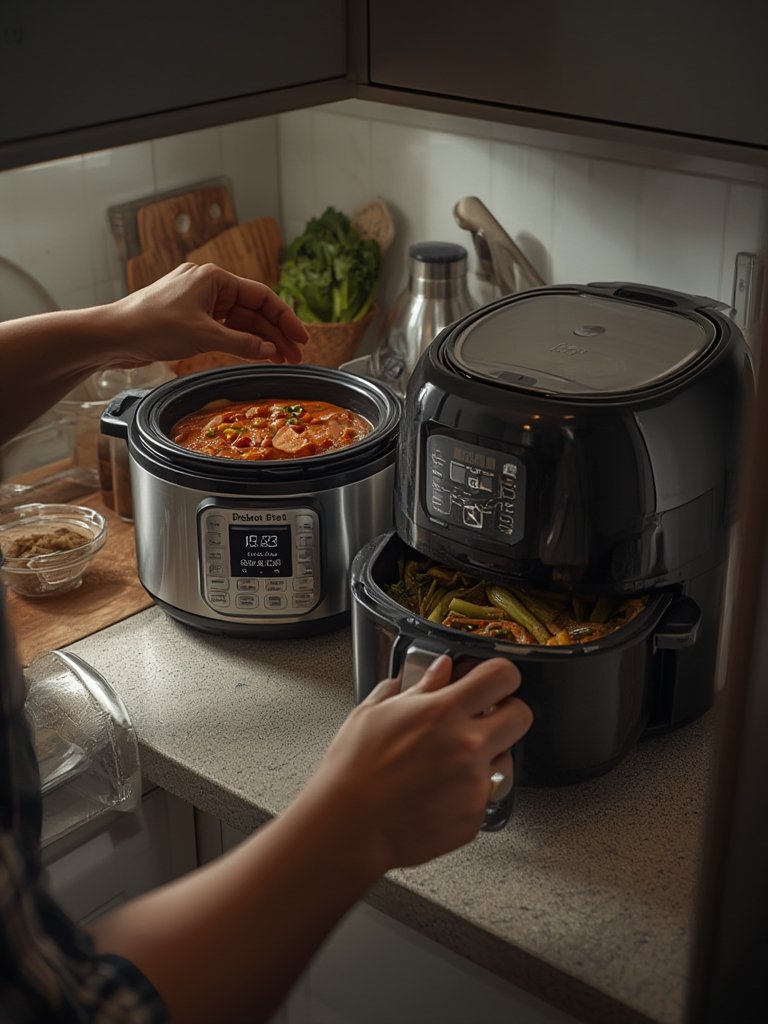
Conclusion & call to action
The smartest students choose the appliances that fit their reality—not just the latest hype. For most, a basic Nutribullet blender (budget), an Instant Pot Vortex XL (all-rounder), or a space-saving Ninja Air Fryer oven (compact premium) deliver the best blend of performance, versatility, and value for money. Always measure your space, triple-check appliance policies, scan for robust return and warranty support, and consult our detailed model reviews. Get started using our printable dorm buying checklist and join thousands who save cash and power with the Best kitchen Appliances for college students this year.
FAQs students actually ask
Can I bring any appliance into my college dorm?
No—most dorms restrict appliances by wattage and heating element type. Always check official policies first. Air fryers or induction burners are sometimes banned; mini fridges and single-serve coffee makers are usually allowed.
How do I keep appliances clean with minimal time?
Choose models with dishwasher-safe parts. For blenders, run a blend cycle with water and a drop of dish soap as a quick self-clean. Air fryers with nonstick baskets wipe down fastest.
Where can I get student discounts on kitchen appliances?
Big retailers (Target, Walmart, Best Buy), most major brands, and select online stores offer exclusive deals at semester start. Sign up for student ID deals or join loyalty programs to stack discounts.
What if my appliance breaks during the school year?
Register products as soon as you buy. Save receipts and check if your college or rental insurance covers lost appliances. Most big brands have strong support—another reason to buy from trusted names, especially through stores with local return counters.