
### Blog Post:
How to choose stand mixer for beginners is a decision that can make baking joyful or full of regret. Small design details and hidden mechanical quirks separate frustration from satisfaction for first-time buyers. This realistic guide is here to solve the most common mistakes and ensure new home bakers avoid the expensive, daily annoyances many learn only by trial and error.
Key Takeaways
- Three overlooked checks—bowl handle, bowl-lock reliability, and attachment reach—can make or break home baking for beginners.
- Core specs for 2026: 4.5–7 QT bowl with handle, 10+ speeds, tilt-head for easy access, sturdy base, and standard attachments.
- Expect realistic starter pricing of $95 to $330, but prepare for add-on costs and always check maintenance, warranty, and support before committing.
- Why this guide matters for first-time buyers
- Step-by-step buying guide for beginners
- Advanced analysis & common pitfalls
- Conclusion & final checklist
- FAQ: Stand Mixer Buying for Beginners
Why this guide matters for first-time buyers
Searching for how to choose stand mixer for beginners can be overwhelming. Stand mixers range from entry-level to $900 luxury models, but it’s often small mechanical features—not just power or brand—that dictate frustration or satisfaction. Most beginners underestimate how wobbly, hard-to-clean, or clumsy a stand mixer can be until daily use reveals the difference. For 2026, brand stats show KitchenAid Artisan remains the top expert pick, with value-focused brands like Hamilton Beach and Aucma rapidly gaining fans (KitchenAid Artisan leads with 4.8 stars from over 18,200 Amazon reviewers, while Hamilton Beach sits at 4.5 from 9,500+ users).
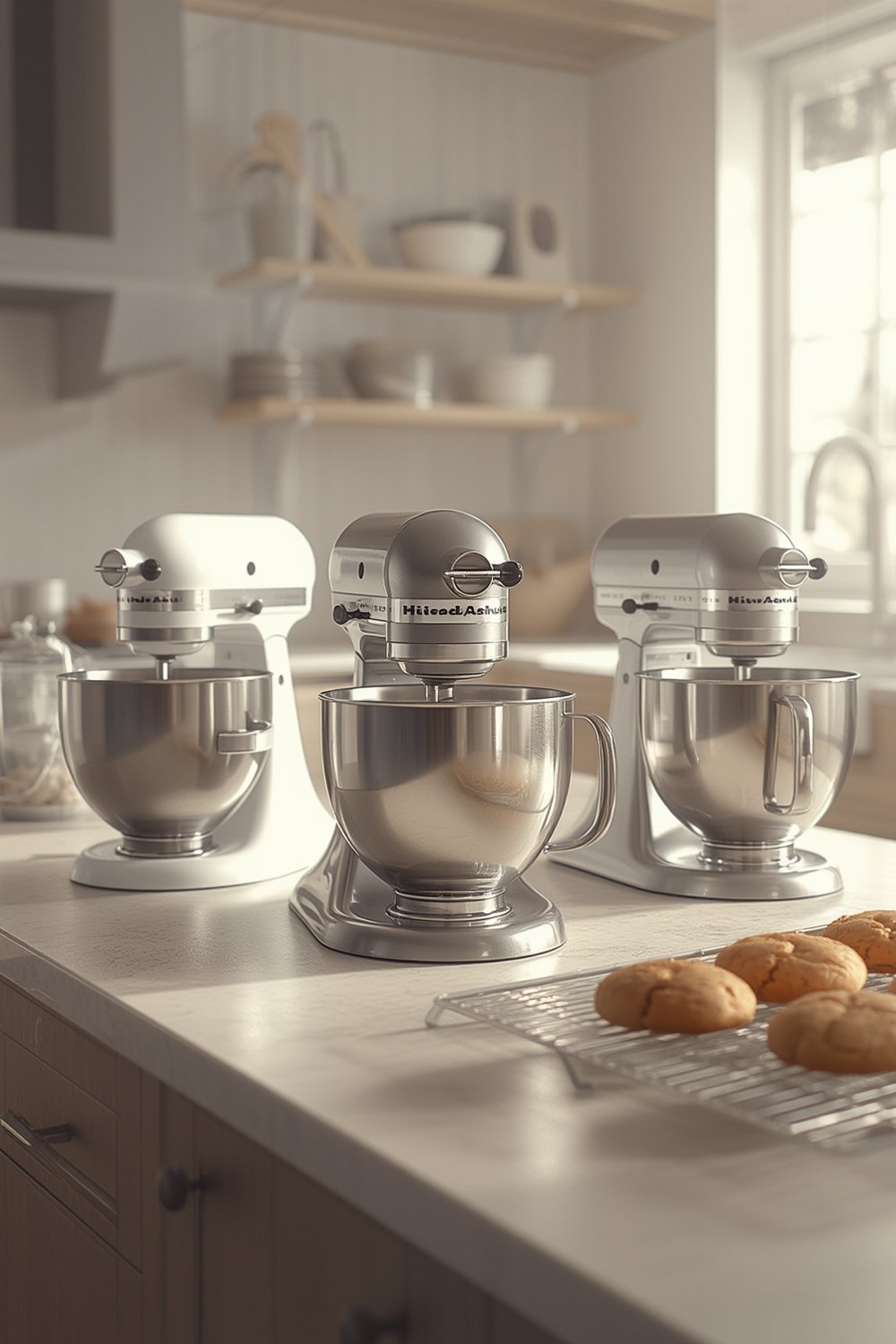
But the real stakes for new bakers are rarely about just price or sheer power. Stability, bowl access, locking reliability, and frustration-free cleaning have a larger day-to-day impact. Overlook these and you risk a mixer that shakes across your counter, attaches poorly, or turns messy mixing into an ordeal.
For a clear snapshot of the 2026 landscape, it’s worth noting that even the best-reviewed products have predictable weaknesses. The Classic KitchenAid model (4.5QT) lacks a bowl handle. Hamilton Beach provides budget value but can wobble during heavy mixing. Aucma sits at a budget price but brings awkward bowl-locking and attachment-slipping issues. If you’re seeking more hands-off kitchen appliances for smoothies or meal prep, see our reviews of the Ninja Professional Blender 1000W and Emeril Lagasse French Door Air Fryer as well.
Bottom line: your choice of stand mixer depends less on the sticker price and more on knowing the three mechanical pain points most guides miss: bowl handle for pouring, reliable bowl lock, and how close the attachments get to the bowl’s edges for efficient mixing.
Step-by-step buying guide for beginners
The easiest way to avoid overwhelm is to walk through a simple, proven buying process. This checklist is adapted from expert advice and translates the latest 2026 market features into actionable steps:
- Define your typical batch size and needs.
Bread bakers or batch cooks? If you frequently bake, opt for a 5–6.5 QT bowl; cake/cookie bakers or occasional users can go as low as 4.5 QT. For more compact kitchens, see our Kitchen in the box stand Mixer review.
- Prioritize bowl capacity and handle.
Aim for a bowl with a handle (4.5+ QT); a missing handle (like in KitchenAid Classic) makes pouring heavy mixes difficult and messy.
- Choose between tilt-head and bowl-lift designs.
Tilt-heads let you lift-out and swap attachments easily (great for beginners). Bowl-lift is bulkier but can be more stable.
- Confirm speed range and motor performance.
Experts recommend 10+ speeds for fine control (KitchenAid Classic/Artisan are benchmarks; Cuisinart offers up to 12).
- Check standard attachments and potential for add-ons.
Look for flat beater, dough hook, and wire whisk included. Expansion ports (as in KitchenAid) mean you can add pasta, grinder, or spiralizer tools over time.
- Test for stability and reliable locking.
Heavier base is better for stability; budget models like Hamilton Beach may shift on the counter while mixing.
- Compare warranties, aftersales support, and brand reputation.
While warranty info can be unclear, KitchenAid offers a well-regarded aftersales ecosystem (with easy-to-order parts); Aucma/Hamilton Beach less so.
- Finalize your budget, factoring in accessories.
Starter mixers cost $95–$330, but total spend grows with extra bowls, paddle upgrades, and unique attachments.
Compare prices realistically: a KitchenAid Classic retails under $300, while the Artisan is around $329.95 (best for versatility, long-term use). Budget picks like Aucma 6.5 QT ($95–$140) and Hamilton Beach ($95) will get most jobs done, but users note more frustrations and repairs over time.
For more affordable kitchen essentials that still perform, browse our guide to the Hamilton Beach Power Elite Blender.
For every in-store or online check, pay close attention to the “Three Overlooked Mechanical Checks”—which will appear as persistent reminders below.
- Bowl handle: Is it there? Can you comfortably lift and pour heavy dough?
- Bowl-locking reliability: Wiggle the bowl – does it snap in securely, or require multiple tries?
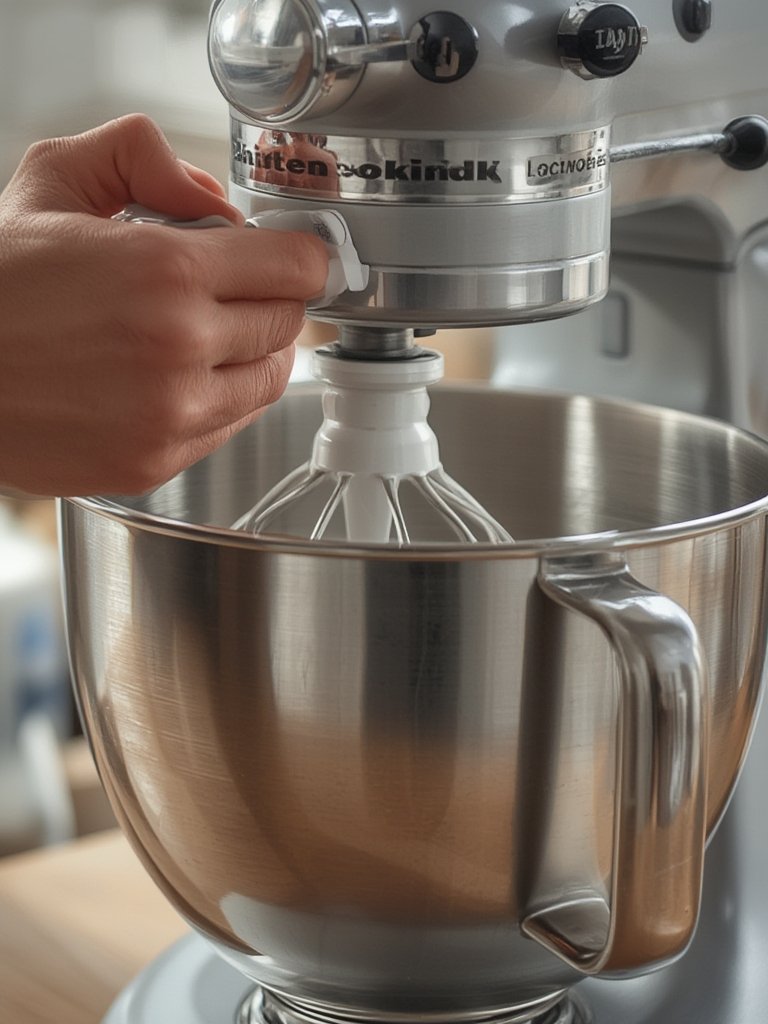
- Attachment reach: Can the beater/whisk scrape the bowl’s sides and bottom, or will you be forced to stop and scrape frequently?
Advanced analysis & common pitfalls
Even among top sellers, first-time buyers face recurring frustrations. Let’s break down real-world problems and how to spot them upfront.
Common pain points cited by real users (summarized from expert reviews and 27,000+ Amazon and pro ratings):
- Bowl volume not matching needs: Too small for batches or lacking handle (KitchenAid Classic) leads to messy clean-ups.
- Instability/wobble: Lightweight designs (Hamilton Beach) can shake across countertops at high speeds.
- Difficult bowl-locking and attachment swaps: Budget options (Aucma, Hamilton Beach) often need extra fiddling to lock; makes starting and cleaning slower.
- Noisy or clunky speed controls: Hamilton Beach and Aucma dials move loosely, lack precise stops, and make it hard to repeat mix speeds.
- Weak splash guards: Some “included” guards do little to prevent flour clouds or batter splatter (especially on Aucma).
- Heavy weight & cleaning headaches: Even cheaper models can be awkward to move and hard to clean, especially if bowl locks seize up over time.
| Model | Bowl Capacity | Speeds | MSRP Range | Signature Pro | Signature Con |
|---|---|---|---|---|---|
| KitchenAid Classic | 4.5 QT (No handle) | 10 | $250–$300 | Sturdy & versatile | Small, awkward for pours |
| KitchenAid Artisan | 5 QT | 10 | $329–$379 | Highly recommended, best for long-term | Pricey for casual users |
| Aucma 6.5 QT | 6.5 QT (w/ handle) | 6 | $95–$140 | Budget friendly, large size | Attachment & locking issues, noisy |
| Hamilton Beach Electric/Pro | 4–4.5 QT | 7 | $95–$150 | Lightweight, fits in small kitchens | Can wobble, less durable |
Referenced sources: TechGearLab, Consumer Reports
Think about aftersales too: KitchenAid’s vast accessories and easy-to-replace parts build long-term value, while off-brand or ultra-budget models may lack support.
For specialty baking or coffee adventures, see our reviews of the BLACK+DECKER 12-cup Coffee Maker and the Ninja 12-cup Coffee Brewer.
- Bowl handle: Is a sturdy handle present? Will it fit your grip for safe pouring?
- Bowl-locking reliability: Try locking and unlocking twice—does it connect confidently or get stuck?
- Attachment reach: Attach the flat beater and check for 2mm or less gap from bowl bottom/sides.

Conclusion & final checklist
The right stand mixer for a beginner blends stable design with reliable locking and attachments that thoroughly mix every batch. Ignore surface-level specs and instead use the above checklist, focusing on the bowl handle, lock, and attachment fit. This will minimize daily annoyances and maximize the value of your investment.
In summary: If you follow these actionable steps for how to choose stand mixer for beginners, you’ll sidestep the most common headaches and enjoy smooth baking for years.
- Pick 4.5–7 QT bowl with a solid handle.
- Check for tilt-head design and smooth attachment swaps.
- Insist on 10+ precise speed settings.
- Physically test or confirm sturdy locking mechanisms.
- Factor in total costs: base mixer + key accessories over time.
- Never buy before confirming real user reviews and aftersales reputation.
Ready to buy? Start your search with KitchenAid Artisan for durability, Hamilton Beach for value, or Aucma for large batch size—always put those three mechanical details to the test!
FAQ: Stand Mixer Buying for Beginners
Do I need a 7 QT bowl, or is 4.5–5 QT enough?
For most home bakers, 4.5–5 QT covers cookies, cakes, and pizza dough. Bread enthusiasts or those baking double batches may want 6–7 QT. Bigger bowls do need more storage.
Is a tilt-head stand mixer better for beginners?
Yes! Tilt-head mixers allow much easier access to the bowl and attachments, making cleaning and ingredient adds simpler for first-time users.
What’s the smartest splurge: motor power, attachments, or durability?
Durability wins for most. A solid tilt-head, secure locking, and well-fitted attachments prevent most frustrations. Motor power is less important if you buy a top recommended brand.
Will a cheap stand mixer last long enough for weekly baking?
The budget picks (Aucma, Hamilton Beach) work but can wobble and may require more maintenance or earlier replacement. Consider durability and aftersales before deciding. See also our Ninja BN701 review for a more powerful appliance.
Are all attachments dishwasher-safe?
No, not always. Stainless steel attachments often are, but check the user manual. Painted or nonstick-coated tools should be washed by hand to preserve finish.