

Detox smothie programs are everywhere, but most claims you see online are misleading or outright wrong. If you want real guidance on how to use smoothies for better nutrition—without falling for detox myths—read on for the 2026 evidence-based approach that actually works and protects your health.
Key Takeaways
- There is zero clinical evidence that detox smothies can remove toxins from your body—your organs do that already.
- Detox smothie routines can cause high sugar intake, low protein, low calories, and real health risks if misused.
- The safest plan is to treat smoothies as one balanced meal replacement—not a full cleanse—and build each one for protein, fiber, and sustainable satiety.
- Quick science summary — what clinical research (2024–2026) actually shows
- How the body really detoxifies (and why smoothies aren’t magical)
- Most common ingredients in “detox” smoothie recipes — what they do (nutrition reality check)
- Measurable nutritional problems with popular detox smoothies
- Documented health risks and adverse effects to watch for
- Real user pain points and why many cleanses fail
- Evidence-based “detox smothie how to” — step-by-step safe recipe & daily plan
- Preparation tips to maximize taste and health (simple hacks)
- Cost considerations in 2026 — what we know and what’s missing
- Top 3 unanswered questions most guides still miss (2026)
- Major myths vs. evidence — short myth/answer bullets
- Safer alternatives and how to transition off a cleanse
- Author’s checklist & editorial guidance (what sources and quotes to include)
Quick science summary — what clinical research (2024–2026) actually shows
Current clinical research (as of 2026) is clear: no randomized, peer-reviewed studies validate the sweeping claims made by commercial detox smothie plans. Smoothies can be part of a balanced diet, but they do not “detox” your system or act as internal cleansers. The 21-Day Smoothie Diet, for example, is widely promoted yet “is not based on evidence” and “no research backs it up.” (Healthline). Reviews published by the National Center for Complementary and Integrative Health and Cleveland Clinic both agree: “Detox drinks do not remove toxins from the body.” Instead, nutrition experts recommend skepticism toward sweeping health claims linked to detoxes, as many are unregulated and unsupported by science.
How the body really detoxifies (and why smoothies aren’t magical)
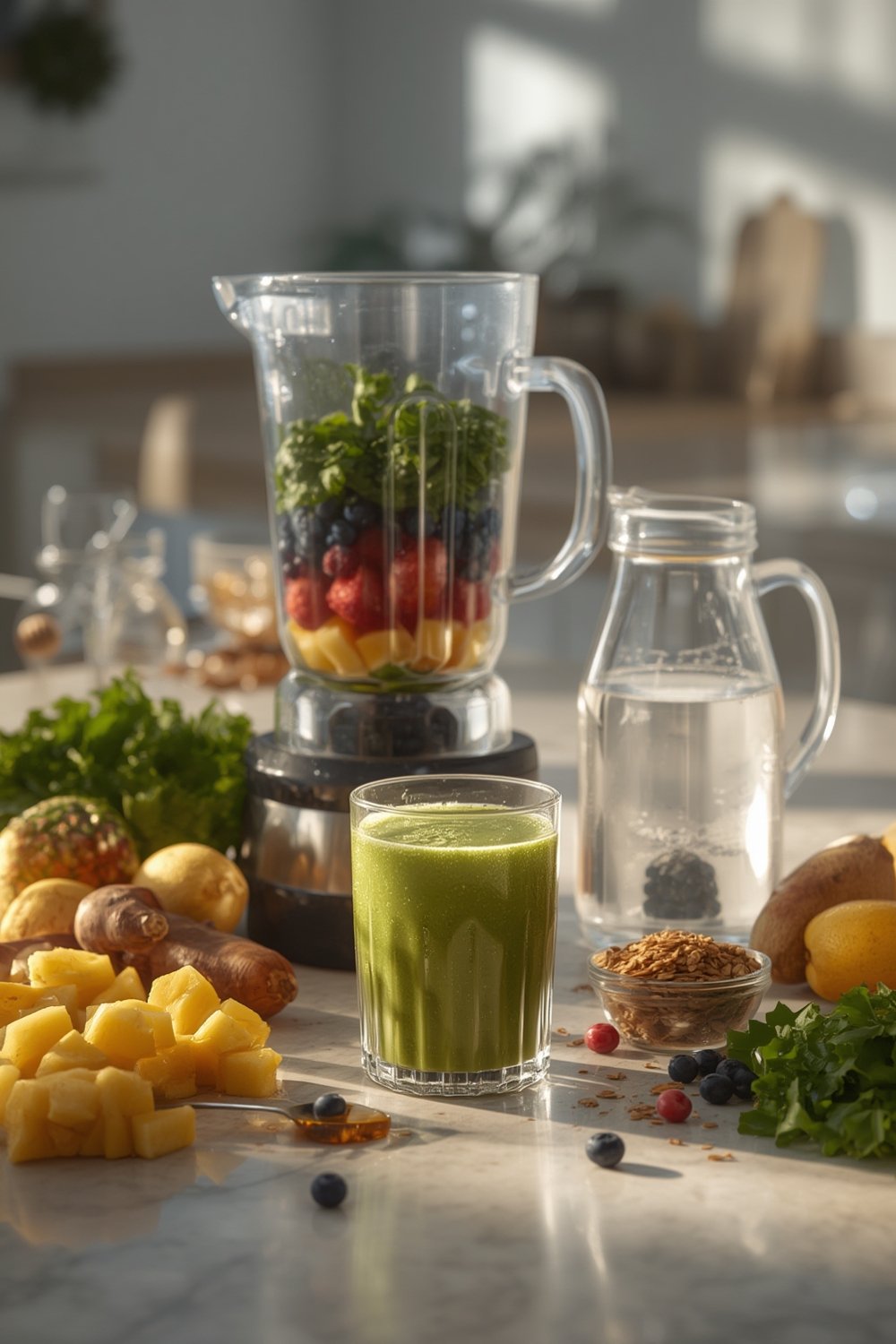
Detox smothie explained: Your body’s primary detoxification happens thanks to the liver (breaking down chemicals and filtering blood), kidneys (filtering waste for excretion), lungs (removing volatile compounds), and skin (expelling waste through sweat). No food or drink—including any blend of banana, kale, coconut water, or “special” powders—can speed up these essential processes. While it’s true that nutrient-rich foods support metabolic health and these organs, there’s zero scientific mechanism for a food to “draw out” toxins. As Medical News Today puts it: “Detox drinks do not remove toxins from the body,” and in a well-nourished adult, “a normal, healthy body detoxes on its own. That’s what keeps us alive.”
Most common ingredients in “detox” smoothie recipes — what they do (nutrition reality check)
The typical “detox smothie guide” (even as seen in 2026) lists ingredients like:
- Bananas, pineapples, peaches, strawberries (high in sugar, moderate in fiber)
- Kale (vitamin C, K, fiber—but not a miracle detox tool)
- Coconut water (hydration, but low calories and protein)
- Flavor/supplements: ginger, lemon (flavor/antioxidants), honey, green tea, granola (added sugar/calories), probiotics (variable efficacy)
Detox smothie 2026 formulas promise to “alkalize” or “cleanse,” yet research shows these do not remove toxins (Medical News Today). The true value is in micronutrients and relatively high fiber (if you keep the pulp), but protein and healthy fat are usually absent, and sugar can be very high—contrary to many advertising claims.
Tip: To avoid sugar overload, keep fruit servings modest, skip the honey/granola, and add plain nuts or seeds for balance. For best blending results, a quality ninja blender or Hamilton Beach smoothie maker can help thoroughly process fibrous greens and seeds.
Measurable nutritional problems with popular detox smoothies
Here are the nutrition realities most “detox smothie tips” miss:
- Very low protein: Most recipes contain “less than 4 grams of protein per serving.” That’s not enough for muscle maintenance or satiety in a meal. Consider a scoop of plain protein powder or Greek yogurt.
- High sugar: Some smoothies have “multiple servings of fruits,” plus honey, pushing grams of sugar into the 30s or 40s—a spike for anyone sensitive to blood-sugar swings.
- Low calories: Essential for fat loss? Not exactly. Smoothies “very low in calories” can slow metabolism, cause fatigue, and make rebound eating more likely.
- Lack of healthy fats and complex carbs: These increase fullness, support energy, and help vitamins absorb properly; seldom featured in the average detox recipe.
| Nutrition Factor | Typical Detox Smoothie | Recommended Minimum (Meal) |
|---|---|---|
| Protein (g) | 2–4 | 15–25 |
| Sugar (g) | 20–45 | <20 (ideally lower for most adults) |
| Dietary Fiber (g) | 3–6 | 8–12 |
| Fat (g) | 0–3 | 5–15 |
For reliable blending and smoother textures, try a high-powered option like the Ninja BN701 Professional Plus Blender for leafy and chunky ingredients. Don’t forget: not all blenders pulverize seeds or fibers equally.
Documented health risks and adverse effects to watch for
Detox smothie guide research details some real hazards:
- Nutrient deficiencies from skipping protein, fats, or varied carbs (“may increase the risk of nutritional deficiencies” – Healthline)
- Blood-sugar spikes in higher fruit/honey blends (troublesome for diabetes/prediabetes)
- Caloric insufficiency: “Very low in calories”—may cause headaches, fatigue, metabolism slowdown
- Gastrointestinal distress: Users report “diarrhea, nausea, vomiting” from difficult-to-digest recipes or supplements (Advance ER)
- Dehydration risk: Prolonged use of detoxes with diuretics or laxatives may “do serious damage to major organs or lead to seizures”
- Potential high-dose green tea harms: “Arrhythmias, sleep disturbance, constipation, high blood pressure, rash, and liver injury” from excessive intake
- Weight regain: “Weight loss programs that use meal replacements may be associated with higher risk of weight regain once a typical diet resumes”
Commercial green drinks can compound these risks with unregulated supplements and hidden ingredients.
Real user pain points and why many cleanses fail
Most user experience around “detox smothie tips” reports three main issues:
- Low satiety: “Less filling than solid foods,” leading to persistent hunger
- Digestive discomfort: “Restrictive, unsustainable, and difficult to follow” plans cause bloating, GI upset, churning, and sometimes urgent diarrhea
- Rapid weight regain and disappointment: After the program, most regain lost weight and resume old habits (“unrealistic and unsustainable” quick weight-loss claims)
Testimonial highlight: “I tried a week of meal-replacement smoothies. By dinner, I was starving and had headaches. I felt lighter, but it wouldn’t be possible for me long-term.”
If you want long-term change, it’s critical to focus on plans built for real life sustainability and natural, gradual habit changes.
Evidence-based “detox smothie how to” — step-by-step safe recipe & daily plan
If you want a detox smothie that actually supports your health, do this:
- Make it one meal, not your whole diet: Use your smoothie as breakfast or lunch, not a full day cleanse.
- Build the right balance
- Base: 1 cup unsweetened almond or dairy milk
- Protein: 1 scoop (20g) plain protein powder, or 6 oz Greek yogurt
- Fiber: 1/3 cup oats or 1 tbsp chia/flax seeds
- Vegetables: 1 cup spinach or kale
- Fruit: 1/2 frozen banana + 1/2 cup berries
- Healthy fat: 1 tbsp nut butter or avocado
- Taste/antioxidants: pinch of ground ginger or half a lemon squeezed
- Preparation steps:
- Add liquids, then soft items, then frozen/ice and seeds last—for smoother blending
- Blend 30–60 seconds (use a Nutribullet Ultra if speed matters)
- Taste and adjust sweetness with a dash of cinnamon, not added sugar
- Substitutions: Swap almond milk for oat or soy for allergies; use a vegan protein powder, and skip nuts if necessary—use more chia for healthy fat if so.
- Timing: Drink cold and fresh within 30 minutes or chill in an insulated bottle up to 6 hours.
Aim for at least 15g protein, 8g fiber, 250–400 calories, and healthy fat per serving—far more balanced than most plans (“add oats or protein and fiber to thicken a smoothie and boost satiety”).
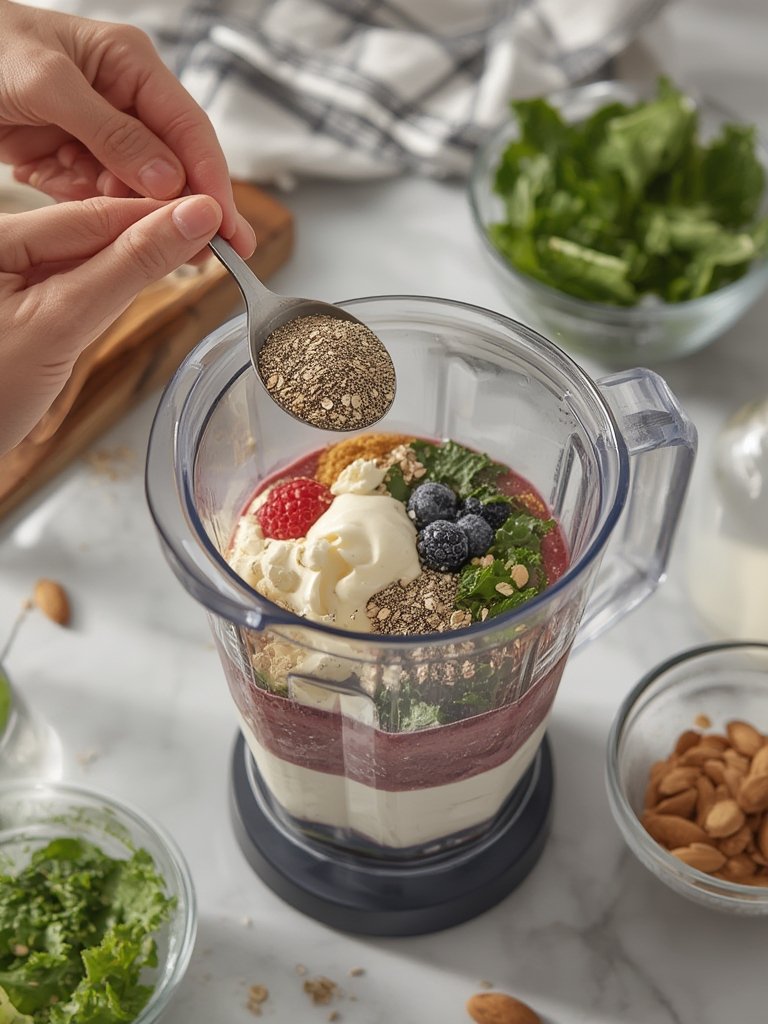
If your blender isn’t cutting it, consider an upgrade to the Hamilton Beach Power Elite Wave Action blender for consistent, lump-free smoothies—crucial for fibrous greens and seeds.
Preparation tips to maximize taste and health (simple hacks)
- Pair sweet fruits (banana, pineapple, peach) with at least 1 cup of mild greens (spinach, kale) to cut sugar and add volume—strong blenders work best, so consider the Ninja BN701 for perfect greens extraction.
- Always add protein and/or fiber: plain Greek yogurt, nut butter, chia/flax, or oats.
- Use frozen berries/bananas instead of ice for smooth, thick texture and better flavor.
- Control added sugar: skip honey or flavored yogurt; taste and adjust with a sprinkle of cinnamon or vanilla extract instead.
- Blend liquids and soft items first, add seeds/nuts last for creamier results.
- Enjoy immediately after blending—the fiber settles and texture degrades after a few hours.
Research confirms: “add oats or protein and fiber to help thicken a smoothie”—it helps make liquids more filling and addresses complaints about hunger between meals (Medical News Today).
Cost considerations in 2026 — what we know and what’s missing
The biggest gap? There’s no published breakdown of ingredient costs or daily/weekly price for detox smothie 2026 regimens (“The search results do not contain pricing information or cost analysis…”). Still, for budget-aware users:
- Use seasonal, local produce (apples, greens, carrots, frozen berries) vs. exotic options
- Buy frozen fruit in bulk for lower cost and year-round supply
- Choose bulk protein (plain powder, Greek yogurt on sale)
- Estimate costs using your local 2026 grocery tracker—expect higher prices due to inflation, but smart swaps (like oats for avocado or using plant-based milks) keep it manageable
Until more data is published, treat high-priced detox kits and supplement bundles with suspicion. DIY with whole foods is almost always more sustainable and cost-effective.
Top 3 unanswered questions most guides still miss (2026)
- Long-term sustainability and lifestyle integration: Most guides don’t explain how to transition from detox smothie routines into a balanced whole-foods diet. Smoothies can be part of your life—but not the entire approach.
- Individual variation and personalization: Little advice exists for people with diabetes, digestive disorders, or those on medication. Consult a professional for customized plans—don’t rely solely on generic recipes. Detox smothie explained: one size does not fit all.
- Economic value/cost-benefit: Robust analysis is missing. Are commercial regimens worth it vs. making your own at home? The answer depends on your ingredients, blender, and whether you avoid costly “detox” supplements.
Major myths vs. evidence — short myth/answer bullets
- Myth: Detox smothie removes toxins.
Reality: “Detox drinks do not remove toxins from the body.” (Medical News Today) - Myth: Smoothie cleanses are proven to improve skin or gut health.
Reality: “There’s no evidence” that replacing meals with smoothies outperforms balanced solid foods (Healthline) - Myth: Quick weight loss from smoothie diets is sustainable.
Reality: Most people rebound and regain weight after stopping meal replacements. - Myth: Detox products are always safe.
Reality: They’re often unregulated and untested—risks include dehydration, blood sugar spikes, nutrient gaps, and dangerous supplement effects.
Safer alternatives and how to transition off a cleanse
The healthiest detox smothie guide in 2026 isn’t actually a “detox” plan—it’s a balanced, flexible approach:
- Eat mostly whole, minimally processed foods: fruits, veggies, lean protein, whole grains, healthy fats, nuts/seeds (“A diet promoting natural detoxification…”)
- Use smoothies as one meal replacement or to supplement a solid-food breakfast/lunch, not to fully replace meals repeatedly
- After a cleanse, reintroduce solid foods with gentle, small meals (plain oatmeal, vegetable soups, grilled chicken/fish, slow reintroduction of high-fiber foods) to prevent digestive shock and weight regain
- Balance your plate: Include a protein, fiber-rich food, and healthy fat source at every meal
If you’re looking for kitchen gear to make this easier, check out the Nespresso Vertuo Plus for balanced breakfasts, or optimize meal prep with a multi-function air fryer toaster oven for bulk-cooked veggies and proteins.
Author’s checklist & editorial guidance (what sources and quotes to include)
- Always cite primary health sources, including Healthline, Cleveland Clinic, Medical News Today, and the NCCIH.
- Include at least one direct user quote from a real detox smothie attempt for balance (see Section 6 for example).
- Give a nutrition label breakdown: “Green Detox smoothie contains less than 4 grams of protein per serving,” but often 30+ grams sugar per 16oz serving; use actual nutrition facts, not vague estimates.
- Summarize: “Various study reviews of detoxification diets raise more doubt than offer validation.” If possible, include a nutritionist or registered dietitian quote (e.g., “They’re just not likely to do what they say”).
- Encourage self-experimentation, but recommend professional medical advice for those with chronic disease, medication regimens, or eating disorders.
Conclusion
Most detox smothie programs and cleanses are heavy on marketing and light on evidence. True health comes from supporting your body’s own detox pathways with real, balanced foods—not quick fixes. Use smoothies to supplement, not replace, healthy eating, and focus on protein, fiber, and overall variety. If you’re ready to try a smarter approach to detox smothie routines, bookmark this guide, try the balanced recipe, and share your results below—your next step to genuine, sustainable health begins with evidence, not hype.
FAQ
Can a detox smothie actually detox my body?
No. Detox smothies cannot “draw out” or flush toxins. Your liver, kidneys, and other organs already handle detoxification if you are healthy (Medical News Today).
What are the main risks with detox smothie cleanses?
Risks include low protein, excess sugar, very low calories, nutrient deficiencies, blood sugar spikes, digestive distress, dehydration (if laxatives used), and rapid weight regain post-cleanse.
How do I build a healthier detox smothie?
Use one as a meal replacement (not your entire diet). Build it with plant/dairy protein, oats or chia/flax for fiber, greens, no more than one serving of fruit, and healthy fat (like nut butter or avocado).
What kitchen tools make smoothie prep better?
A high-powered blender like the Ninja BN701 Professional Plus Blender or Nutribullet Ultra ensures even blending, especially for tough greens or seeds.
Is it more expensive to make detox smothies in 2026?
Not necessarily. Buy seasonal or frozen produce, bulk plain protein, and skip overpriced “detox” powders to control your budget.